When you push open the door of an apartment that has stagnated for five years with the same beige cushions and the same melamine TV unit, the temptation is to change everything at once. The result often lacks coherence. Transforming an interior with style and originality requires targeting a few precise interventions, those that modify the perception of a space without tearing everything apart.
Dopamine colors on surfaces we always forget
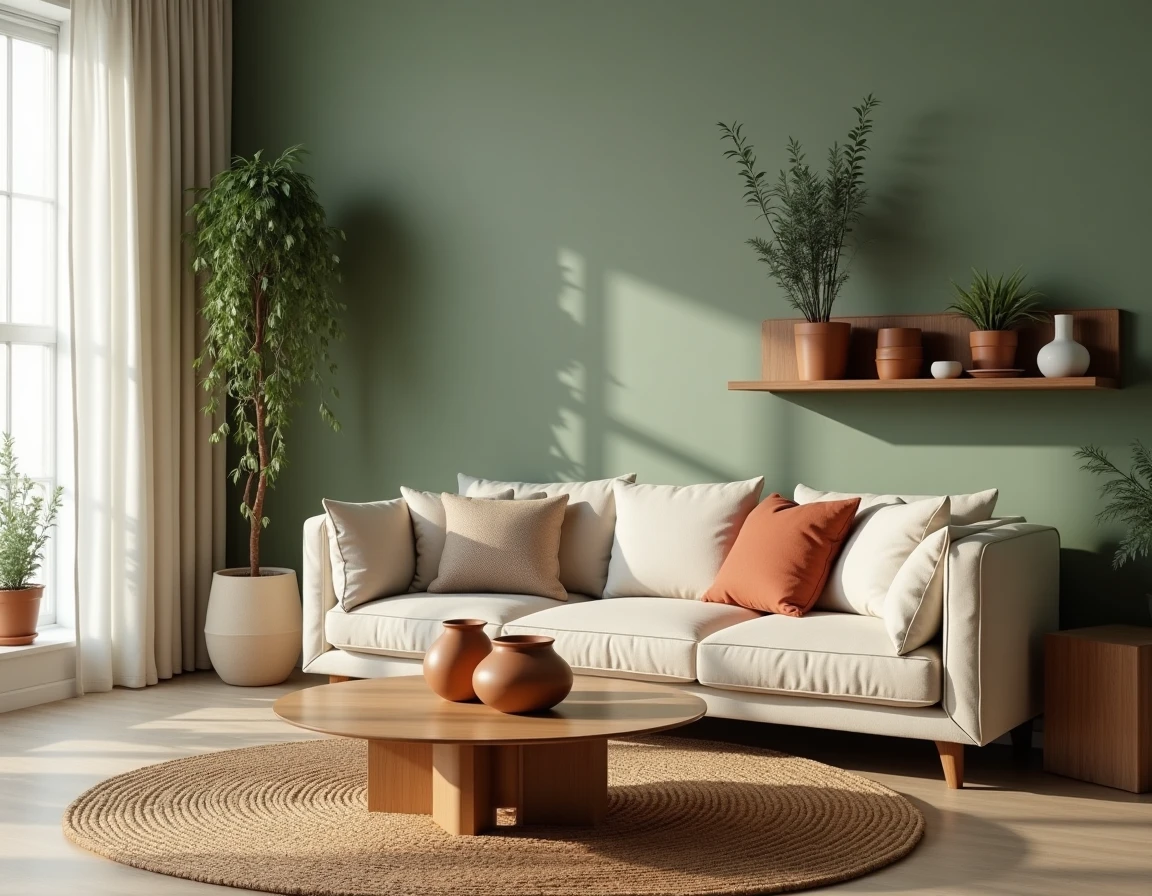
We think of accent walls, paint on an entire wall of the living room. Everyone does that. The recent shift in dopamine decor goes further: color extends to the ceiling, window frames, and interior doors. A ceiling painted in sage green or burnt orange radically changes the ambiance of a room without touching the furniture.
The palettes that work today combine shades we wouldn’t have dared to use three years ago: pink and burnt orange, acid green and Klein blue. This approach, documented in the Pinterest Predicts 2024 forecasts, responds to a search for emotional well-being through color. Among Direct Maison’s decor ideas, you can find such combinations applied to common living spaces.
In practice, we start with a door. The cost is low, and the result is immediate. If the shade doesn’t work, two coats of white are enough to revert.
Low-carbon materials: when decor trends also change the label
For a few years now, major furniture brands have been displaying the carbon footprint directly on their product sheets. It’s no longer a niche argument reserved for specialty stores: biosourced paints, FSC or PEFC certified wood, recycled fabrics now occupy entire categories at players like Maisons du Monde or Ikea.
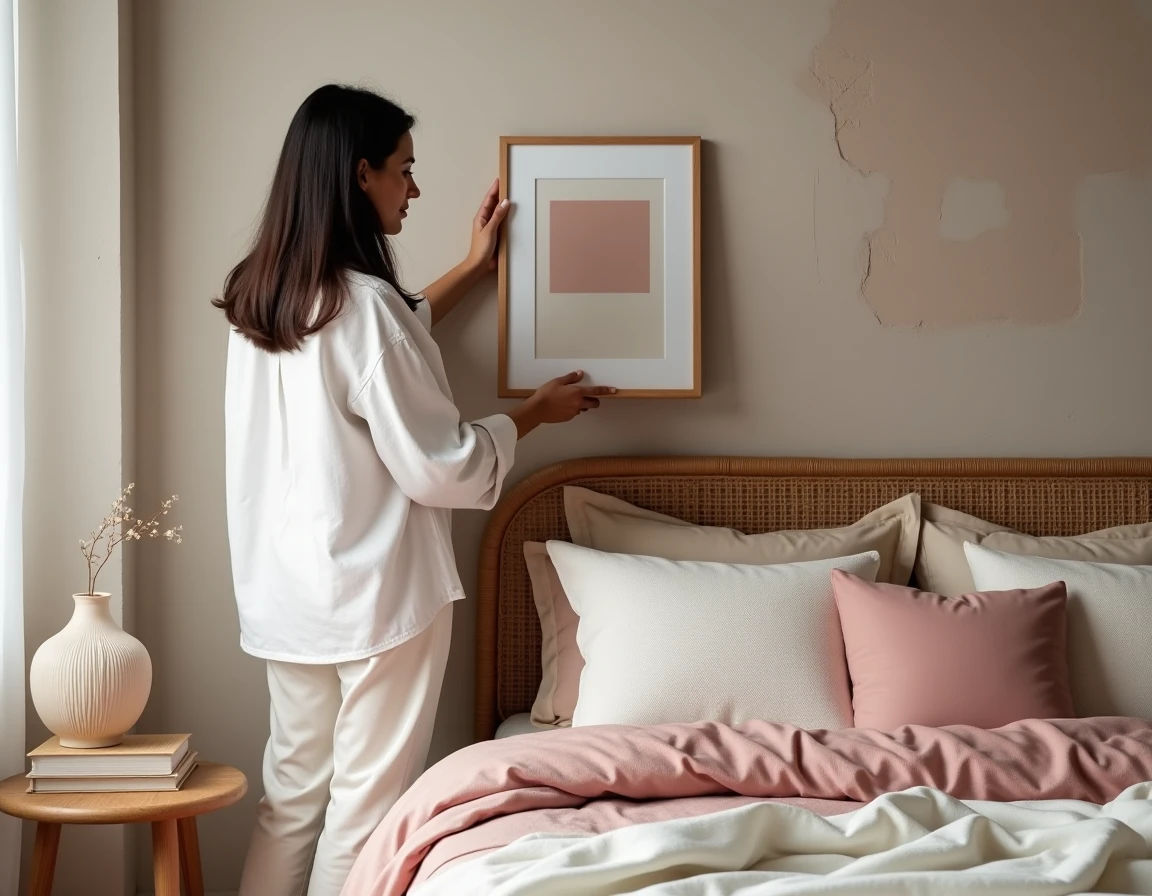
For an interior decoration project, this changes the game. You can choose a wood panel, wall covering, or textile while checking its traceability, without sacrificing style. Recycled wood panels, for example, bring a raw texture that fits well in both an industrial living room and a Scandinavian-inspired bedroom.
What to check before buying
- The certification of the wood (FSC or PEFC), which guarantees regulated forest management, not just a marketing gloss
- The composition of the paints: a biosourced paint limits VOCs and often dries with less odor, a concrete advantage in inhabited renovations
- The origin of the textiles: a cushion made from upcycled fabric has a story, a slightly irregular texture that breaks the “catalog” effect
Feedback varies on the actual durability of some recycled fabrics, but the industry is progressing rapidly.
Living room and bedroom decor: three high-impact interventions
Rather than listing fifteen decor items, let’s focus on the actions that truly transform the perception of a space. Here we are talking about the living room and the bedroom, the two rooms where we spend the most awake time at home.
The floor as the starting point of style
A cement tile floor in the kitchen or entryway creates a strong visual anchor. In the living room, a large textured rug (that extends under the sofa) redefines the living area better than an additional piece of furniture. The floor dictates the ambiance, not the walls.
Lighting as a decoration tool
A well-chosen pendant light in the bedroom replaces three decorative accessories. We aim for a fixture that creates an interesting shadow on the ceiling, not just a light flow. Pendants made from natural materials (rattan, bamboo, linen) cast patterns that change the atmosphere as night falls.
The unique piece of furniture that breaks symmetry
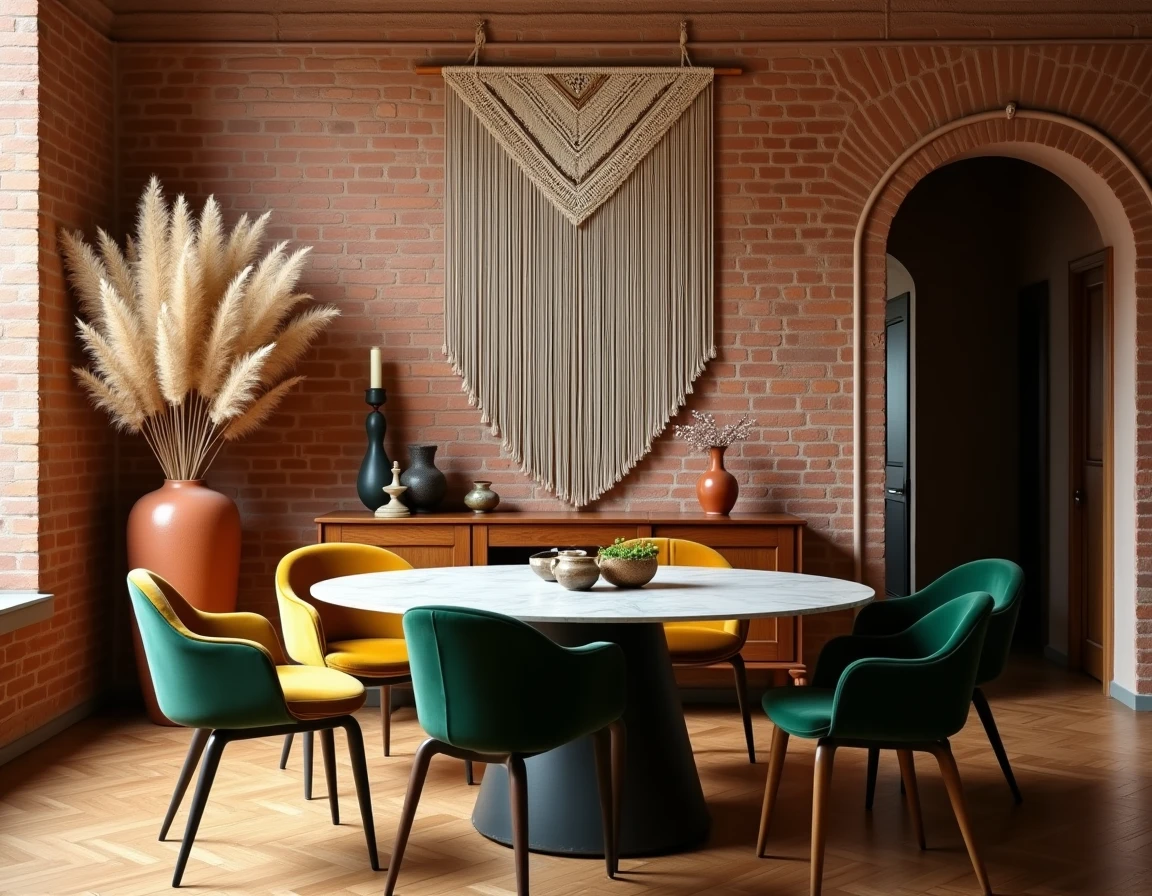
One standout piece of furniture is enough to anchor the style of a room. A vintage chair found at a thrift store, a raw wood console, an asymmetrical shelf. The trap is to accumulate several, which produces an uncontrolled flea market effect. You choose one, place it in an open space, and let it breathe.
Wall art and character objects: balance without clutter
The accumulation of gallery wall frames has had its time. The current trend favors one or two large-format art pieces rather than a mosaic of small frames. A large painting on an open wall draws the eye and visually structures the room.
For decorative objects, the rule of odd numbers still works: three vases of different heights, five stacked books. This deliberate asymmetry breaks the “showcase” effect and gives a lived-in appearance. The colors of these objects ideally pick up a secondary shade present elsewhere in the room (a cushion, a rug), creating coherence without visible effort.
- An oversized mirror placed on the floor against a wall visually enlarges a small living room and reflects natural light
- A large plant (indoor olive tree, fiddle leaf fig) adds a verticality that standard furniture does not offer
- A handcrafted ceramic or stoneware object, placed alone on a console, is better than ten aligned knick-knacks
Interior decoration gains originality when we accept emptiness. A partially bare wall, an open corner of a room, a half-filled shelf: free space is part of the style. This is what distinguishes a thoughtfully designed interior from a cluttered one, and it is often the last reflex we acquire in terms of decor.