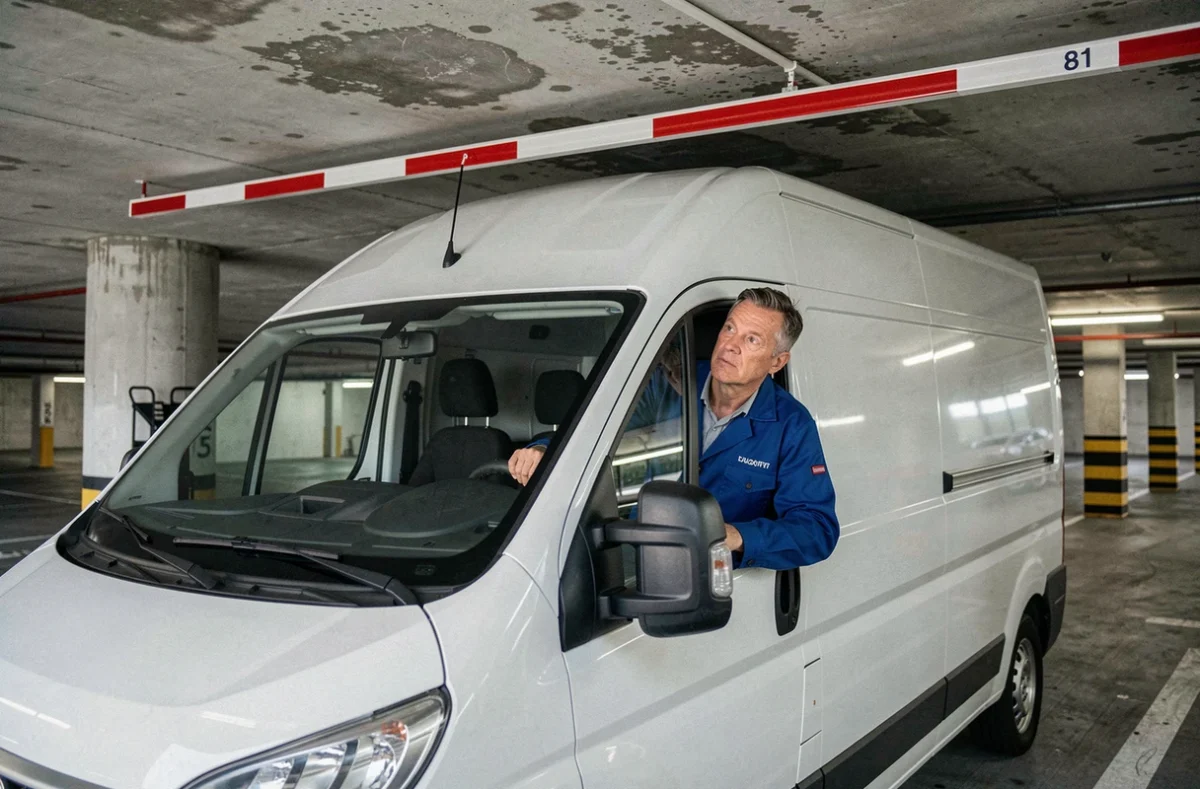
An H3 van stands out for its generous interior space, making it ideal for creating a comfortable living area. But that extra height raises a practical question: where can you actually drive a vehicle this tall? From underground car parks and motorway toll booths to low-hanging branches on certain roads, an H3 van’s height affects every journey.
Actual height of an H3 van: what the spec sheet doesn’t always tell you
The H3 designation refers to the third height category used by commercial van manufacturers. It indicates the vehicle’s exterior height as it leaves the factory, without any equipment added to the roof.
That’s where the catch lies. Once the van has been converted, its height changes. Rigid solar panels, a satellite antenna, a raised roof vent, a roof rack: every addition affects the vehicle’s actual dimensions. A rigid solar panel adds noticeable height, while a flexible panel sits almost flush with the bodywork.
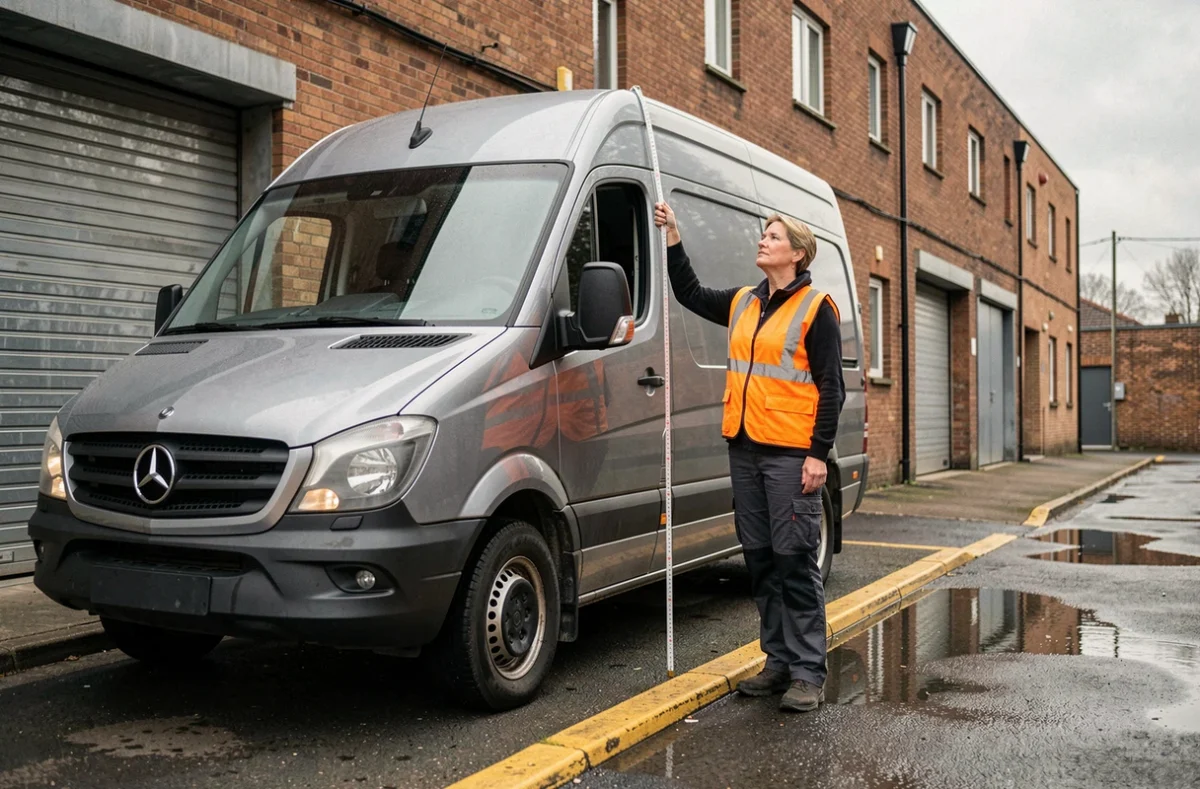
The height to keep in mind is the one measured after the conversion is complete, not the figure listed on the manufacturer’s spec sheet. Get a tape measure, measure the highest point of the loaded vehicle, and write the figure somewhere visible in the cab. Knowing the exact height of an H3 van in its final configuration helps you avoid a close call at a height barrier.
Have you noticed those “height restriction” signs at the entrance to certain tunnels or car parks? With an H3, they become a daily concern. An H2 may just squeeze through. An H3 almost never fits in a standard underground car park.
Toll booths, car parks and bridges: the driving restrictions for an H3 van
The first surprise often comes at the toll booth. An H3 van may be assigned to a higher toll category depending on its total height. Detection systems measure the vehicle’s dimensions as it passes, and just a few extra centimetres—a solar panel or roof box, for example—can push it into the next pricing bracket.
Before estimating the cost of a journey, check the classification criteria that apply to your vehicle. The extra cost on a long motorway trip is far from negligible.
Access to underground and covered car parks
Most urban underground car parks have a height limit of around two metres. An H3 van exceeds this by a wide margin. Some car parks have their own restrictions covering height, length and width: even if the height barrier seems passable, the access ramp or tight turns inside may cause problems.
Parking in a city with an H3 means looking for open-air car parks or on-street spaces. In a densely built-up city centre, this makes quick stops and everyday errands more difficult.
Secondary roads and low-clearance obstacles
Outside cities, old bridges, railway underpasses and tree branches overhanging the road can all pose obstacles. Checking your route before setting off becomes a habit worth developing. GPS apps designed for large vehicles let you enter your vehicle’s exact height and avoid unpleasant surprises.
H3 van conversion: balancing interior comfort and mobility
Why choose an H3 despite these restrictions? The extra interior space makes a dramatic difference to comfort on board. An H3 van lets you stand upright without bending your head, install a raised floor to house water tanks and cable runs, and sometimes even create an overhead bed while keeping the living area below.
- A raised floor frees up living space by concealing technical equipment (tanks, wiring and heating) beneath the floor
- There is still enough headroom to stand and move around after insulation—something most H2 vans lack for taller people
- A permanent overhead sleeping area becomes a realistic option without sacrificing the lounge or kitchen below
This added comfort comes at the cost of mobility. Every centimetre gained inside is a centimetre lost in exterior clearance.

Solar panels on an H3 van roof: energy independence or extra height?
Installing solar panels on an H3 van is a good example of this constant trade-off. A standard rigid panel adds several centimetres above the roof, increasing the vehicle’s overall height. On an already tall H3, those extra centimetres can push the vehicle over a critical clearance limit.
Flexible solar panels offer a low-profile alternative, sitting almost flush with the bodywork. Their output may be slightly lower, but they preserve more clearance. The right choice therefore depends as much on your usual routes as on your energy needs.
Here’s what to check before installing anything on the roof:
- Measure the total height after installation and compare it with the limits at the car parks and toll booths you use
- Choose a flush-fitting installation if your routes include urban areas or roads with restricted clearance
- Factor in the extra weight on the roof, which also affects the vehicle’s centre of gravity
Choosing between an H2 and H3 van: the deciding factors
Choosing between an H2 and an H3 is about more than comfort. It depends on how you’ll actually use the vehicle. A van intended for long stays in the countryside, far from city centres, makes full use of the H3’s extra height. An H2 is easier to live with if the vehicle will also be used regularly in urban areas.
A van’s dimensions affect your routes as much as your destination. Before signing, make a list of the places you’ll need to reach regularly: the supermarket car park, your own garage, narrow city-centre streets and mountain roads. If several of these places have height restrictions, choosing an H3 means being prepared to work around them—it shouldn’t be a default choice.
An H3 van remains an excellent choice for anyone willing to adapt their driving habits. The key is simple: measure the vehicle’s actual height once it’s equipped, keep that figure in mind, and check every clearance before driving through.