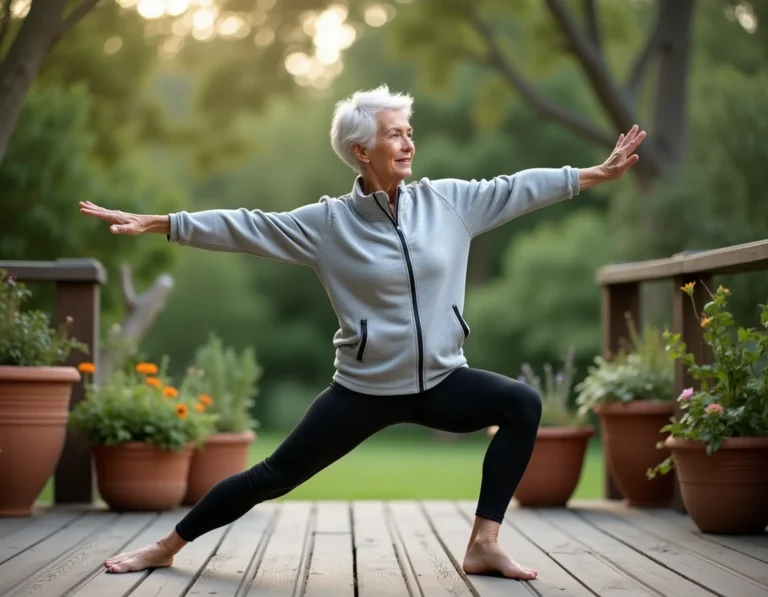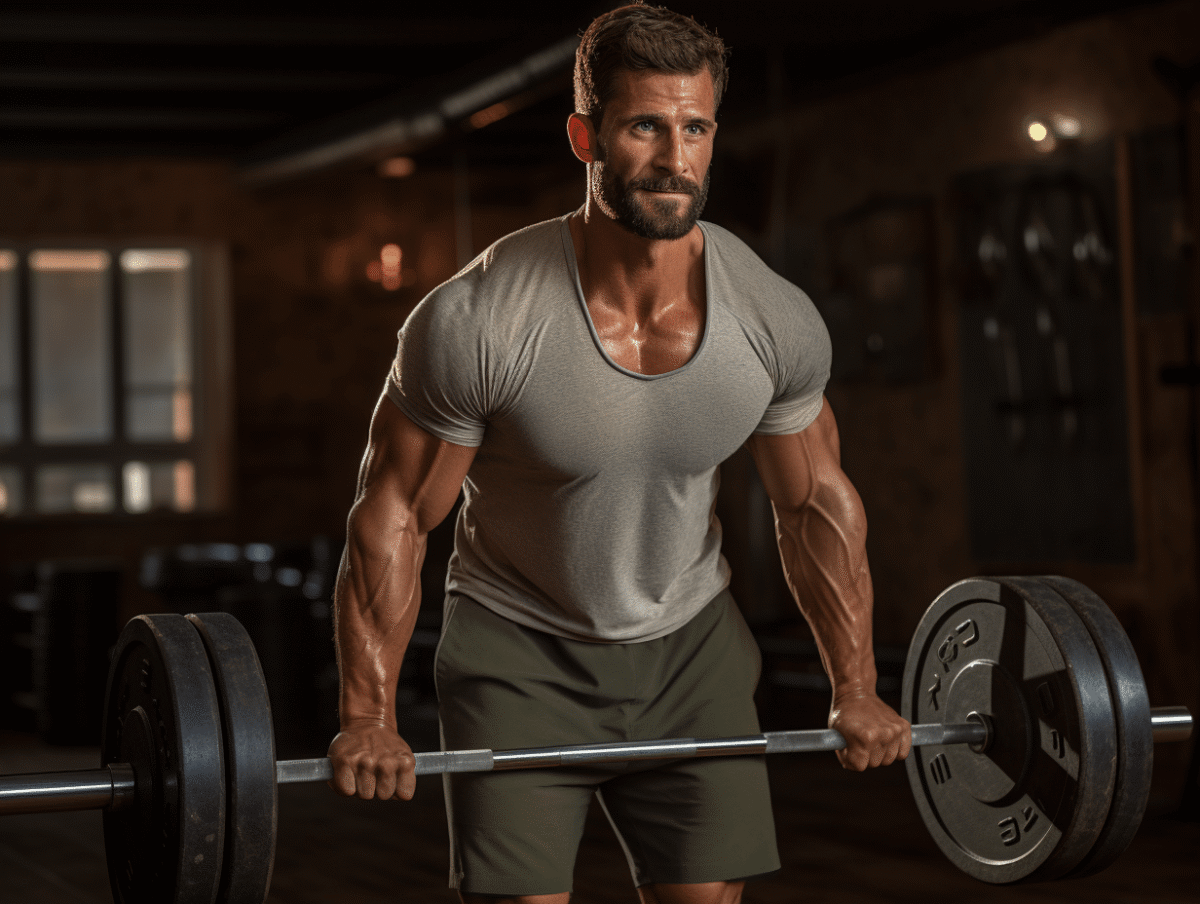
Lower body training is fundamental not only for athletes but also for anyone looking to improve their overall fitness. It is essential to combine strength training and flexibility exercises to maximize performance and prevent injuries. A well-structured training program targets the major muscle groups of the legs and glutes while incorporating stretches to enhance joint mobility. By balancing these two aspects, you can develop a solid foundation, increase your power and endurance, all while maintaining a full range of motion for optimal functionality in daily life.
The Foundations of Lower Body Training: Strength and Flexibility
Flexibility is one of the five fundamental physical qualities, essential for both health and sports performance. Stretching improves flexibility by increasing the range of motion and the elasticity of tissues, including muscles, ligaments, tendons, fascia, subcutaneous tissue, and skin. Flexibility depends on these factors, but also on individual characteristics such as sex, age, and physical activity behavior. It can be trained with regular exercises, including practices like yoga, which promote joint mobility.
Consider that flexibility can be limited by anatomical and physiological factors, such as bone structure or the ability of connective tissues to stretch. It is influenced by psychological elements like stress and breathing. A holistic approach to flexibility training will take these various aspects into account, incorporating relaxation techniques and proper breathing to facilitate the extension of titin filaments, thereby contributing to better muscle elasticity.
Alongside flexibility work, muscle strengthening is crucial for developing muscle tone and the musculature of the lower limbs. A strong pelvic muscle and robust leg musculature are the hallmarks of a solid posture and better movement coordination, positively influencing speed and strength. Bodyweight strength exercises, such as deep squats and forward lunges, are fundamental for strengthening these target areas.
The combination of flexibility and strength training is not only compatible but synergistic. Incorporating flexibility exercises into warm-up routines and daily life enhances overall flexibility, as well as sport-specific flexibility. It is these nuances in program design that allow for achieving a balance between strength and flexibility, a prerequisite for optimal lower body functionality.
Strategies and Exercises to Optimize Strength and Flexibility of the Lower Limbs
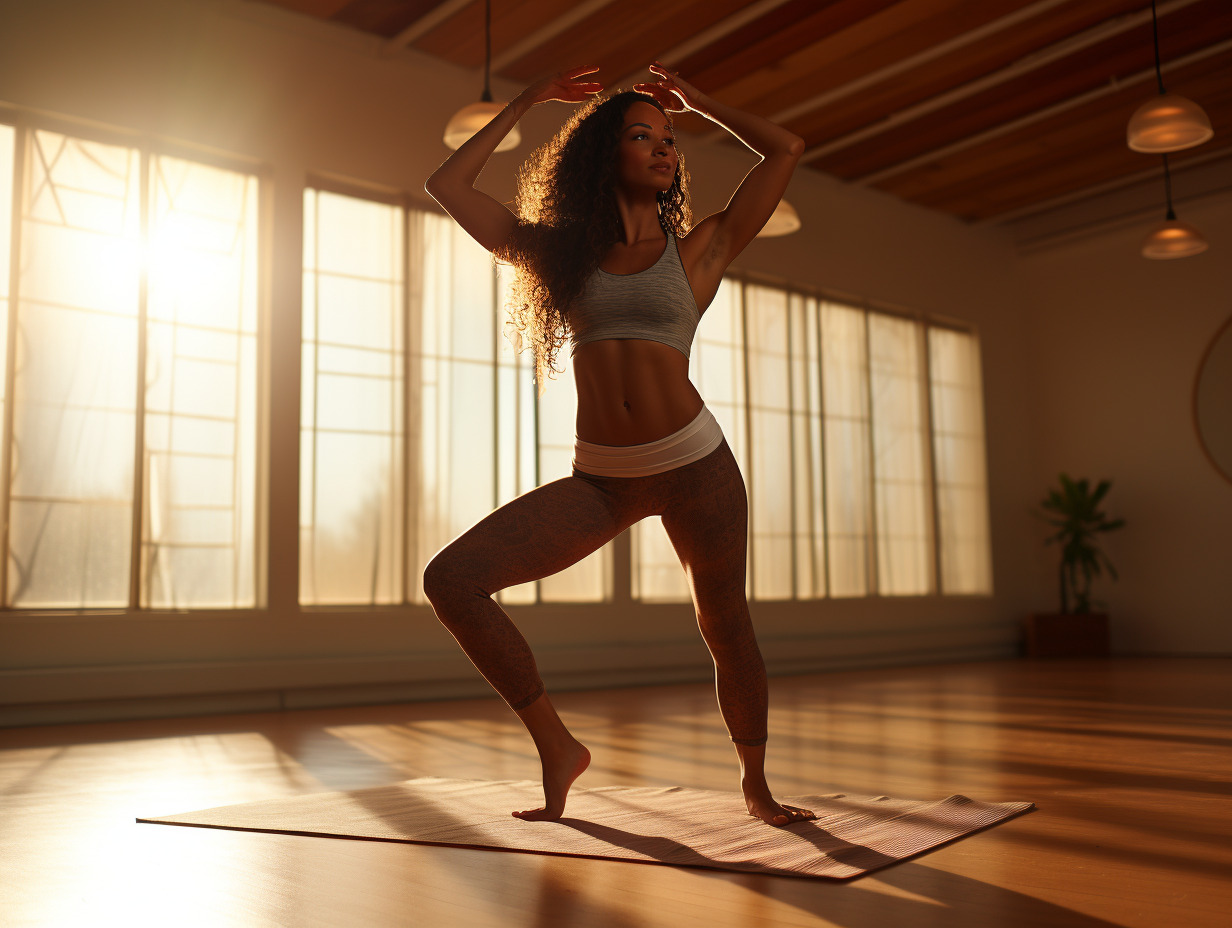
For any athlete or individual seeking a harmonious and functional body, the balance between strength and flexibility in lower limb training takes on a strategic dimension. Prioritize strength exercises such as deep squats and forward lunges, which engage multiple muscle groups in the legs simultaneously. These compound exercises not only promote muscle strengthening but also better coordination and improved posture.
The psoas, a deep abdominal muscle connecting the trunk to the lower limbs, deserves special attention. Targeted exercises for this muscle, such as back extensions, help prevent osteoarthritis and improve overall health. Precise work on the psoas, often overlooked, can provide notable benefits in areas as diverse as sports performance and mental health by relieving accumulated tension.
Flexibility remains a goal not to be neglected. Incorporate gymnastics and fitness exercises that stretch the hamstrings, calves, and hips, emphasizing range of motion and fluidity of transitions. The aim is to develop general flexibility, but also sport-specific flexibility, according to individual needs.
Post-training muscle recovery is essential. It can be optimized through a diet rich in nutrients, vitamins, and minerals, as well as supplements like whey protein, known for its effectiveness in the recovery process. Relaxation strategies, such as deep breathing sessions or consuming wellness teas and infusions, can help reduce stress and improve recovery, thus allowing for better performance in subsequent sessions.