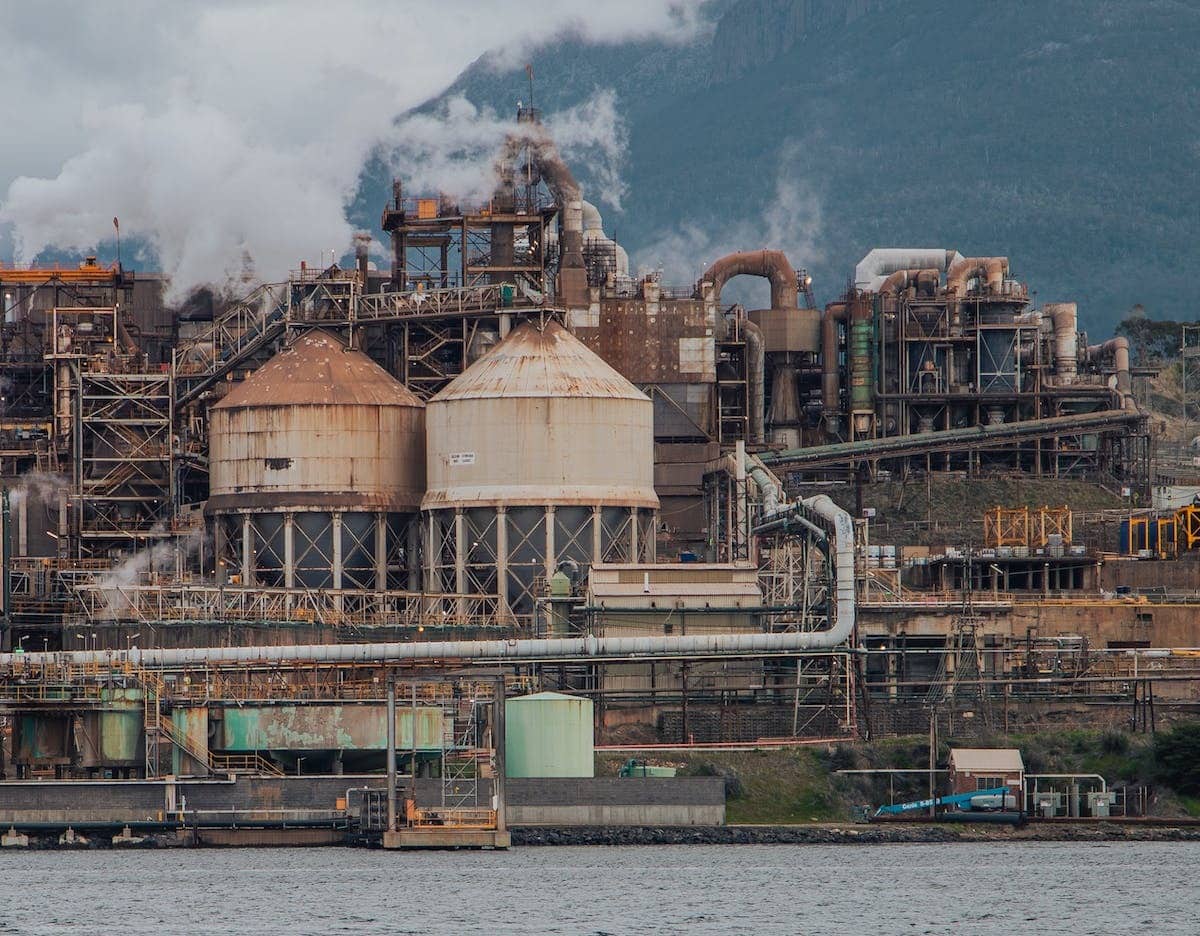
Everything begins in the bustling Michelin factories, where road excellence is crafted. These vast spaces, dotted with cutting-edge equipment, are the homes of world-renowned tire creation. The French company, with the famous Bibendum logo, has dominated the tire market for over a century. Every day, thousands of tires leave these facilities, ready to conquer the roads of the globe. Entering the world of Michelin production is to step into a universe where innovation and quality are the guiding principles, providing a true immersion into the soul of the starry brand.
The history of Michelin tires: a tradition of manufacturing
Since its inception in 1889, the Michelin factories have been the cradle of innovation and quality. The Michelin brothers, Édouard and André, revolutionized the tire industry by inventing the first removable tire. This event marked the beginning of an unprecedented success story.
Over the decades, Michelin factories have multiplied across the globe to meet growing demand. Today, the brand has over 70 industrial sites spread across nearly 20 different countries. Each factory specializes in a specific stage of the Michelin tire manufacturing process, ensuring a high level of expertise and optimal efficiency.
The key stages of Michelin tire manufacturing include the preparation of raw materials such as natural or synthetic rubber, as well as textile or metal reinforcements that give the product its strength. The crucial mixing stage follows, where each component is precisely dosed before being kneaded to obtain a homogeneous paste.
Once this paste is obtained, it is calendered to give it its initial shape before being molded to be vulcanized under pressure and intense heat. This phase allows the molecules present in the rubber to bond together to achieve all the mechanical properties essential for the tire’s proper functioning.
Alongside this process, Michelin factories continually innovate and develop cutting-edge technologies. They invest heavily in research to constantly improve the performance, safety, and comfort of tires. Ultra-modern machines are used to control every aspect of the tire and ensure impeccable quality.
The quality of Michelin tires is recognized worldwide. The rigorous tests they undergo before commercialization ensure that they meet the most demanding international standards. The use of durable materials contributes to increasing their longevity while reducing their environmental impact.
Michelin factories are the very symbol of industrial excellence. Their historical heritage combined with technological advancements makes Michelin tires a preferred choice for drivers around the world. Whether it’s a family car or a sports vehicle, these tires offer exceptional grip and increased wear resistance for an unforgettable and safe driving experience.

Michelin production sites around the world: a global presence
The Michelin production sites are strategically spread across the globe to meet customer needs and ensure proximity to local markets. Among these sites is the historic factory in Clermont-Ferrand in France, where it all began over a century ago. This iconic factory is now a true center of excellence and remains at the heart of research and development of new technologies.
In Europe, Michelin also has factories in Spain, Germany, Italy, and the United Kingdom. These facilities play a key role in producing tires for the European market. Each site specializes in certain types of tires: some focus on passenger car tires while others are dedicated to trucks or motorcycles.
Michelin does not limit its industrial presence to Europe. In fact, the group has several major sites in North America, particularly in the United States and Mexico. The American factories primarily produce tires for passenger cars as well as SUVs that are very popular in North America.
Asia is also an integral part of Michelin’s global production network. The brand has significant factories in China, Japan, and Thailand that supply dynamic Asian markets such as mainland China, Japan, and South Korea.
It is important to note that each Michelin factory is committed to adhering to strict environmental standards. The group has implemented a sustainable development policy aimed at reducing its carbon footprint, optimizing resource use, and promoting the recycling of used tires.
Thanks to their artisanal know-how combined with cutting-edge technology, the Michelin production sites are capable of meeting the specific needs of the global market with agility and efficiency. Whether facing extreme conditions on snowy tracks or ensuring a comfortable drive on the highway, Michelin tires manufactured in these various facilities guarantee a superior driving experience and peace of mind for drivers around the world.
The manufacturing of Michelin tires in a few key steps: a meticulous process
In Michelin factories, tire manufacturing follows a rigorous process that guarantees the quality and performance of the final products. Here are the key steps of this meticulous manufacturing:
Design: It all begins with an in-depth research and development phase, where engineers design tire models suitable for different types of vehicles and specific usage conditions. This stage includes material analysis, tread pattern selection, and the integration of the latest technological advancements.
Mixing: Once the design is finalized, the process moves to the mixing of the raw materials needed to manufacture the rubber used in Michelin tires. This process requires precise expertise to achieve a homogeneous mixture that offers both grip, durability, and longevity.
The textile or metal plies: When the rubber component is ready, it is combined with textile or metal plies to give the tire its strong yet flexible internal structure. These layers reinforce the tire to effectively support static and dynamic loads when in motion.
The vulcanization: Once all its parts are assembled, the tire is placed in a specialized mold where it undergoes a thermal treatment called vulcanization. This process hardens the rubber, improves its resistance to temperature variations, and ensures perfect road adherence.
The quality control: After vulcanization, each tire is meticulously inspected to ensure it meets the strict safety and performance standards set by Michelin. Tests include dimensional checks, leak tests, wear resistance measurements, and simulations on test benches to evaluate performance in terms of grip on dry or wet surfaces.
Packing and distribution: Once validated, the tires are packed according to the specifications of the final customer: whether in bulk for later mounting at a car dealership or in more suitable packaging for direct sale to consumers. The tires are then distributed through a global network to quickly meet the growing market demand.
It is through these key steps, carried out in Michelin factories with precision and expertise, that the brand maintains its historical reputation for quality and technological innovation in the world of automotive tires.
Innovative technologies of Michelin tires: the future of mobility
In the field of tire manufacturing, Michelin stands out for its use of innovative technologies that continually push the limits of performance and durability. Here is an overview of the main techniques employed:
The Bi-Compound technology: This major advancement optimizes tire grip and longevity by using two different chemical compositions in the tread. A softer rubber ensures maximum grip on wet surfaces, while a harder rubber offers better wear resistance.
The EverGrip process: This is a unique feature integrated into certain Michelin tires that consists of evolving tread patterns. These patterns gradually change to maintain excellent grip throughout the tire’s life, even when worn.
Aramid fibers: Michelin also uses this ultra-resistant synthetic fiber in some high-end tires to reinforce their internal structure. The aramid fibers provide optimal rigidity while reducing the tire’s weight, thus improving its handling and overall performance.
The Silent Rib technology: To reduce noise disturbances associated with driving, Michelin has developed this innovation that consists of special grooves on the audible blocks to effectively eliminate or attenuate the noise generated during contact with the ground.
The glue-free manufacturing process: Michelin has developed a unique technique that involves assembling the different parts of the tire without using glue. This method offers several advantages, such as better resistance to delamination and a reduction in harmful chemical emissions for the environment.
The environmental footprint of Michelin tires: an ecological commitment
The environmental impact of Michelin tire manufacturing is a crucial issue in a context where environmental protection is becoming a major concern. Michelin has recognized this issue and is committed to an eco-responsible approach.
It should be noted that tire production requires the use of raw materials such as natural and synthetic rubber, textile fibers, and chemical agents. These materials come from natural resources or are produced through complex industrial processes.
Michelin implements various means to reduce its environmental footprint throughout the manufacturing process. One of the flagship initiatives is recycling. Indeed, the company actively develops technologies for recovering and recycling used tires.
Michelin strives to constantly improve its practices to minimize the polluting emissions generated by its factories. Considerable efforts have been made to promote the use of renewable energy in production lines, such as solar or wind energy.
Another important aspect concerns the responsible management of water used during the industrial process. Reducing its consumption and reusing it are at the heart of Michelin’s concerns.
To accurately assess its environmental impact, Michelin regularly conducts life cycle analysis (LCA) studies of its products. These studies help identify the stages of the process that have the most impact and implement measures to reduce them.
Michelin collaborates with various stakeholders in the tire industry to develop innovative and sustainable solutions. Partnerships are established with researchers, universities, and even other manufacturers with the common goal of finding ecological alternatives for tire manufacturing.
In a world where the environment is at the forefront of concerns, Michelin demonstrates its commitment to sustainable development with its tires.