In the world of gastronomy, the freshness of ingredients is essential to ensure optimal taste and food safety. Chicken, in particular, is a preferred ingredient in many recipes around the world. It is also one of the foods most likely to cause food poisoning if consumed when it is not fresh. Therefore, it is vital to know how to distinguish fresh chicken from chicken that is no longer fresh. Several indicators can help determine if the chicken is still in good condition for consumption, ranging from visual appearance to smell.
Visual signs of freshness: how to recognize fresh chicken
The term ‘chicken that smells strong but is not expired’ may seem paradoxical, but it highlights a reality that many might overlook. Indeed, chicken can naturally develop a stronger smell without necessarily being expired. This is often the case when it is stored under optimal conditions, for example, being vacuum-sealed and properly refrigerated.
The presence of a more pronounced odor does not automatically mean that the meat is spoiled or unsafe to consume. Many factors can contribute to the smell of chicken: its diet before slaughter, the breeding conditions, or its preparation after slaughter.
A ‘chicken that smells strong but is not expired’ can also be the result of certain treatments like aging. During this controlled process that some farmers resort to, the chicken meat is kept for a few days under specific conditions to further develop its flavors and improve its tenderness.
Even if a ‘chicken that smells strong but is not expired’ can be perfectly edible and even tasty if it has been properly aged or stored under appropriate conditions; this unusual smell should prompt you to exercise extra caution when handling and cooking it.
You should check for freshness: firm texture rather than elastic to the touch; uniform pale pink color avoiding any gray or greenish spots; intact vacuum packaging…
Characteristic odors: how to spot fresh chicken by its smell
The textures of chicken can reveal valuable information about its freshness. When handling a piece of fresh chicken, you should feel a certain firmness under your fingers. The meat should be resilient but not hard to the touch. If it is soft or elastic, this may indicate that the chicken is no longer as fresh as it should be.
Another texture to observe is juiciness. Good fresh chicken should have an optimal water content that results in juicy and tender meat. When you gently press the meat, there should not be any excess liquid escaping. An excess of juice can be a sign that the chicken has been poorly preserved or is deteriorating.
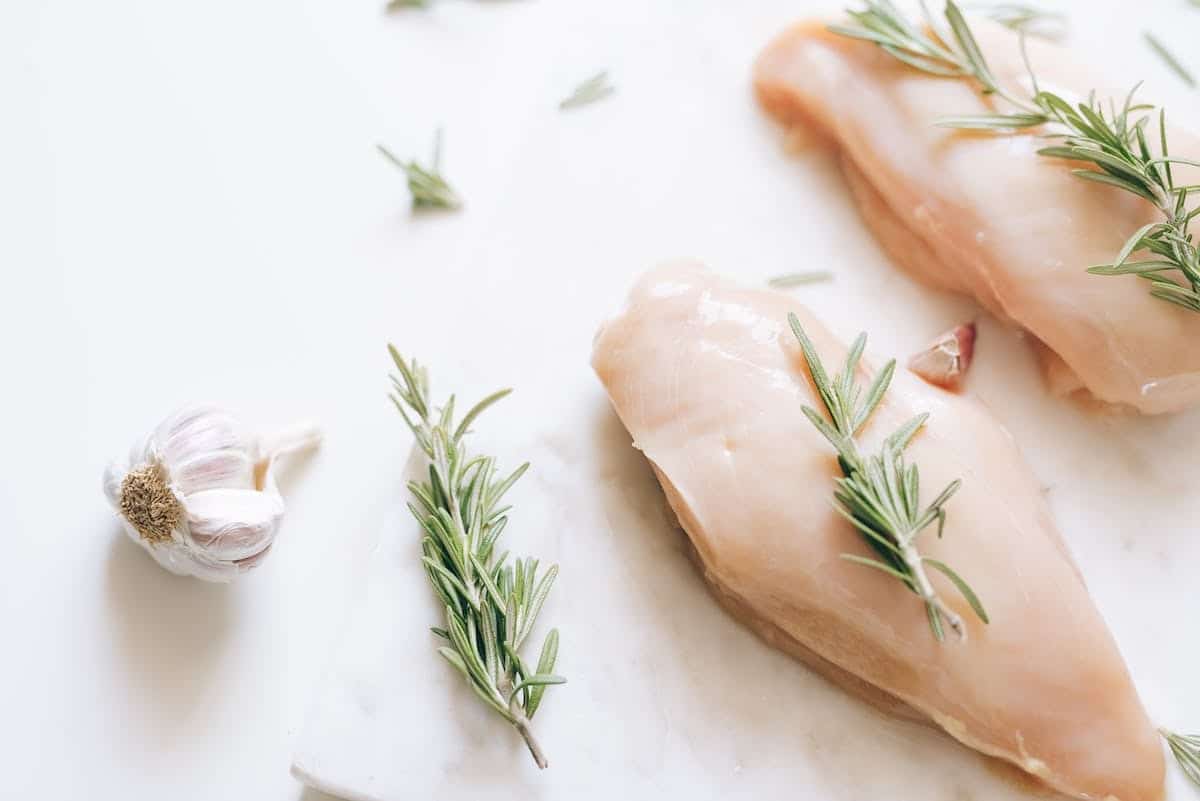
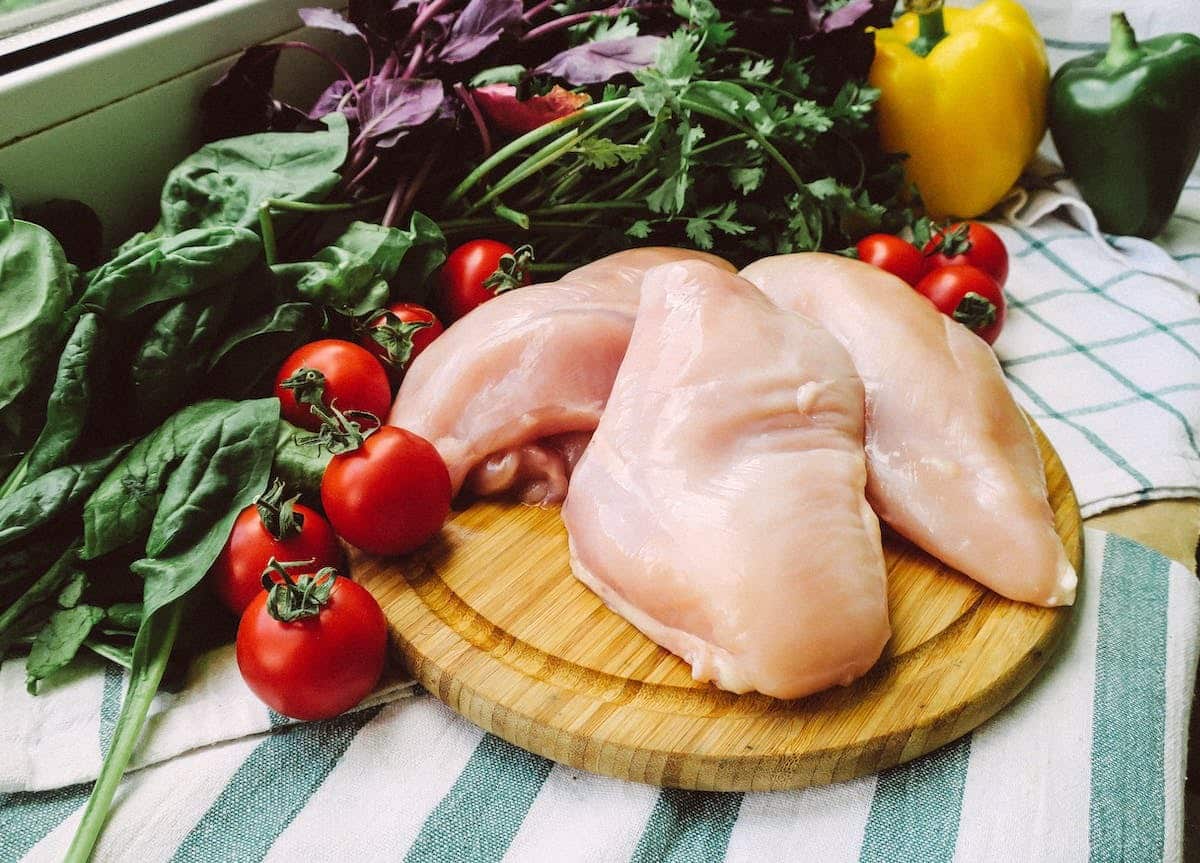
Color is also an important indicator of chicken freshness. The skin of fresh chicken should have a uniform pale pink hue, without any suspicious gray or greenish spots. Parts exposed to air may take on a darker hue, which is normal, but this should not affect the entire surface of the piece.
Packaging also plays a crucial role in preserving chicken freshness. If you buy your poultry pre-packaged, carefully check the integrity of the packaging before purchasing or using the product. Any signs of opening or leakage should be considered a red flag. Ensure that the packaging is well-sealed and shows no signs of swelling, which could indicate the presence of bacteria or gases produced by decomposition.
For health reasons, it is best to avoid buying chicken whose expiration date is approaching or has passed. Although this may seem obvious, some consumers overlook this crucial information when shopping.
Carefully observing the textures of chicken can help you determine its freshness. Firm but not hard to the touch, juicy without excess liquid, and with a uniform pale pink color are all positive indicators. Be sure to also check the integrity of the packaging and always adhere to expiration dates to ensure your food safety.
Textures to observe: freshness clues for chicken
Observe carefully: Take the time to observe the color of the skin and meat of the chicken. A pale pink hue is a good indicator of freshness. Avoid pieces whose skin shows gray or greenish spots, as this may be a sign of deterioration.
Homemade vs. industrial: note that free-range chickens often have a more intense and yellow color compared to industrial chickens. This is due to their natural diet, which includes plant materials rich in pigments.
The transparency of the packaging: If you buy packaged chicken, ensure that the packaging is not opaque but rather transparent. This will allow you to visually examine the color of the meat before purchase.
Consult your butcher: Don’t hesitate to ask your butcher for advice if you have doubts about a specific piece of fresh chicken. Experienced butchers are generally able to provide valuable information about the appearance and quality of the product they sell.
Also check the inside: beyond the outer color, be sure to check the inside for any blood or slimy appearance.
Checking the color of the chicken is an essential step to ensure its freshness. By carefully observing the skin and meat, considering the differences between free-range chickens and those raised industrially, checking for transparent packaging, and consulting your butcher, you can take steps to ensure that the chicken you buy is fresh and safe to consume.
Tips for checking the color of chicken and its freshness
When buying packaged chicken, you need to check its freshness. Here are some essential elements to consider:
The expiration date (DLC): The DLC indicates the period during which the product should be consumed to ensure optimal quality. Always ensure that the DLC has not passed before buying the chicken.
The origin of the chicken: Check the origin of the chicken indicated on the packaging. Prefer local products or those from farms that adhere to health and ethical standards.
The certification logo or label: Some labels are awarded to products that meet certain quality and/or animal welfare criteria. Look for logos such as ‘Label Rouge’ or ‘Organic Farming’ that guarantee a higher level of quality and a more responsible farming method.
The general appearance of the packaging: Carefully read the information on the packaging, such as the recommended storage conditions, the farming method, etc. A clean and intact package is also a positive indicator regarding the proper handling of the product.
The traceability: Some brands now offer complete traceability of the chicken’s journey from its farming to its commercialization. Being able to trace each step allows consumers concerned about the quality and origin of products to have increased confidence in their purchase.
By taking into account all these indicators on the chicken packaging, you will be able to make an informed choice regarding the freshness and quality of the product. Don’t hesitate to ask questions to the staff in charge of the section for more information if necessary. Vigilance is essential to ensure that the chicken you buy is fresh and safe to consume.
Chicken freshness: what to look for on the packaging
The visual observation: Before buying or cooking chicken, you should examine it carefully. Look for signals such as unusual color, discoloration marks, wet or slimy areas, as well as any visible signs of apparent deterioration.
The distinctive smell: The sense of smell can also reveal much about the freshness of the chicken. If you notice an unpleasant, sharp, or rotten smell coming from the product, this could indicate spoilage, and you should avoid it.
The texture and touch: When handling the chicken before purchase, pay attention to its texture. Fresh chicken will have a pleasant firmness to the touch, while a spoiled product may have a sticky or gelatinous texture.
The adequate temperature: Always ensure that the chicken is kept at the right temperature when stored in supermarket shelves until it reaches your home refrigerator. Temperatures that are too high can promote bacterial growth, which quickly leads to spoilage of the product.
The good food practices: Once purchased, it is crucial to follow strict hygiene rules. Wash your hands before and after handling chicken, use clean utensils, and disinfect your work surfaces to avoid cross-contamination with other foods.
The adequate storage: To preserve the freshness of the chicken longer, it is recommended to keep it in the refrigerator at a temperature below 4°C. Also, be sure not to exceed the expiration date indicated on the packaging.
The proper cooking: Once ready to be cooked, ensure that the chicken is cooked properly until it reaches a minimum internal temperature of 75°C to eliminate any potential risk of bacterial infection.
By following these simple yet essential precautions, you can minimize the chances of ingesting spoiled or contaminated chicken. Your health and well-being are in your hands, so be vigilant when it comes to assessing the quality of the chicken you buy and consume.
Preventing the consumption of spoiled chicken: precautions to take
When buying packaged chicken, it is important to carefully read the information on the label. Look for the slaughter or packaging date, as well as the expiration date. This will give you a clear idea of how long the chicken can be considered fresh and safe to eat.
Also, pay attention to quality labels such as the red label or organic mentions, which guarantee more strictly controlled farming and processing conditions.
If despite all your precautions, you still have doubts about the freshness of the chicken you have, do not hesitate to consult a professional. A qualified butcher can visually and olfactorily assess your product to determine if you should rigorously follow all food hygiene practices when purchasing, storing, and cooking chicken. By referring to the information on the packaging or consulting a professional if necessary, one can avoid any risk related to choosing spoiled meat. Vigilance remains the best way to avoid any health issues caused by spoiled chicken.