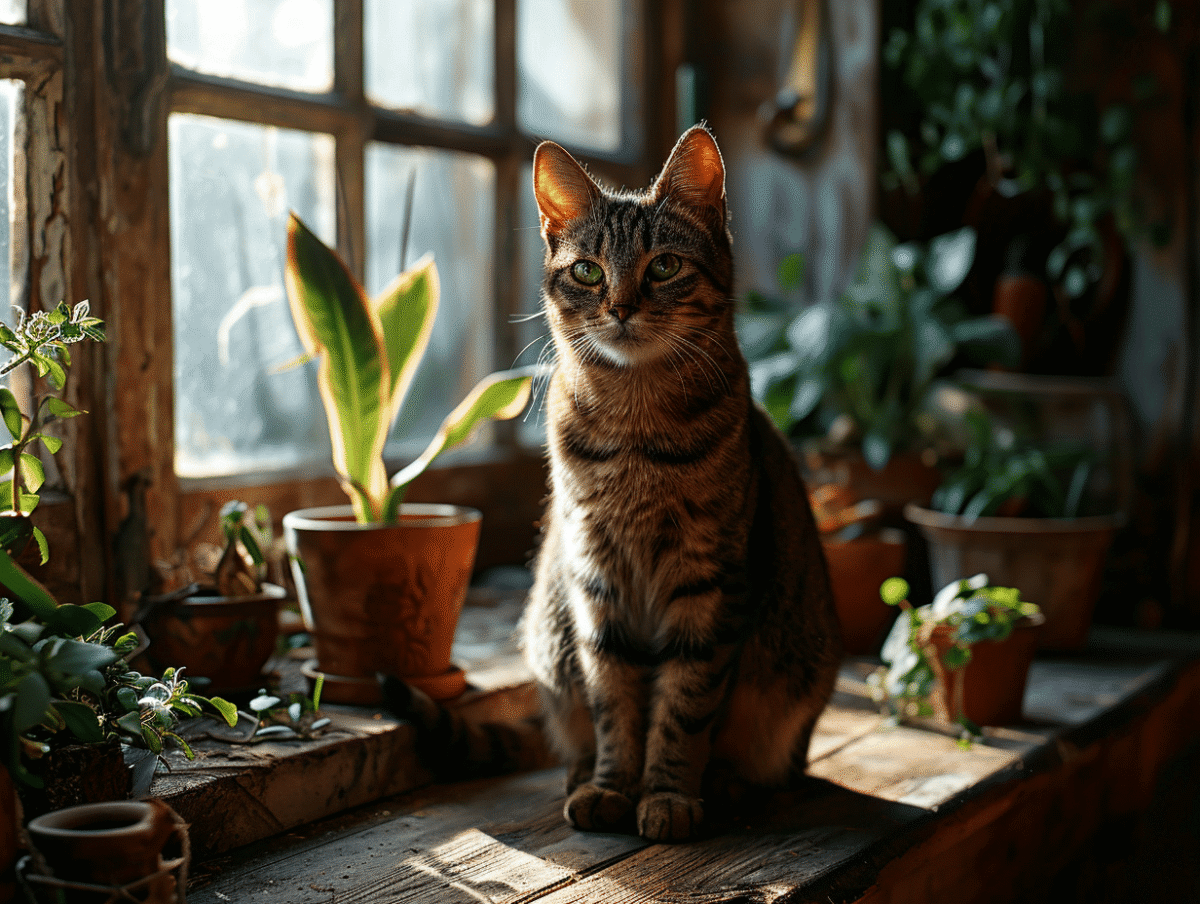
Cats, with their grace and mystery, have captivated for centuries. Beyond popular breeds, there exists a fascinating world of lesser-known felines that stand out due to their rarity and unique characteristics. These rare cat breeds offer incredible diversity, ranging from stunning coats to singular behaviors and captivating stories. Cat enthusiasts often seek to learn more about these uncommon specimens, their origins, and how to preserve them. This comprehensive guide is an immersion into the universe of these unknown breeds, promising to reveal their secrets and share advice for those eager to welcome them into their homes.
Exploring the Origins and Evolution of Rare Cat Breeds
Rare cat breeds, often shrouded in an aura of mystery, have fascinating stories woven through the centuries. Take, for example, the British Shorthair, originating from Great Britain, whose appearance dates back to 1871. This domestic cat, once considered a stray, has risen to become one of the most sought-after cats in the world. Their history reflects the dynamics of natural selection juxtaposed with human intervention, a component of Animal Liberation, where felines have been gradually transformed into companions suited to human preferences and lifestyles.
The native cat breed of each region carries the imprints of its environment and its use by societies. Rare cat breeds are characterized by a diversity that is striking: from physical specifics to behavioral adaptations, they embody the history of cat breeds and their evolution. The British Shorthair, with its massive and powerful body, apple-shaped head, and round, well-spaced eyes, is an emblematic example of this evolution, with its seventeen recognized coat shades reflecting a richly varied genetic heritage.
Let’s discuss the behavior of feline breeds. The British Shorthair is distinguished by its calm and peaceful nature. It enjoys playing with children and is capable of cohabiting with other animals, reflecting a sociability that can be attributed to its long history of domestication. These traits, combined with its attachment to its owner and rare intelligence, make it an ideal companion for many households.
The comprehensive guide to rare cat breeds would not be complete without addressing maintenance. Despite their dense fur, breeds like the British Shorthair require little grooming; a weekly brushing is generally sufficient to keep their coat healthy. This fact, combined with their seasonal shedding, makes these breeds both exceptional and accessible to cat lovers looking to combine rarity with practicality in daily life.
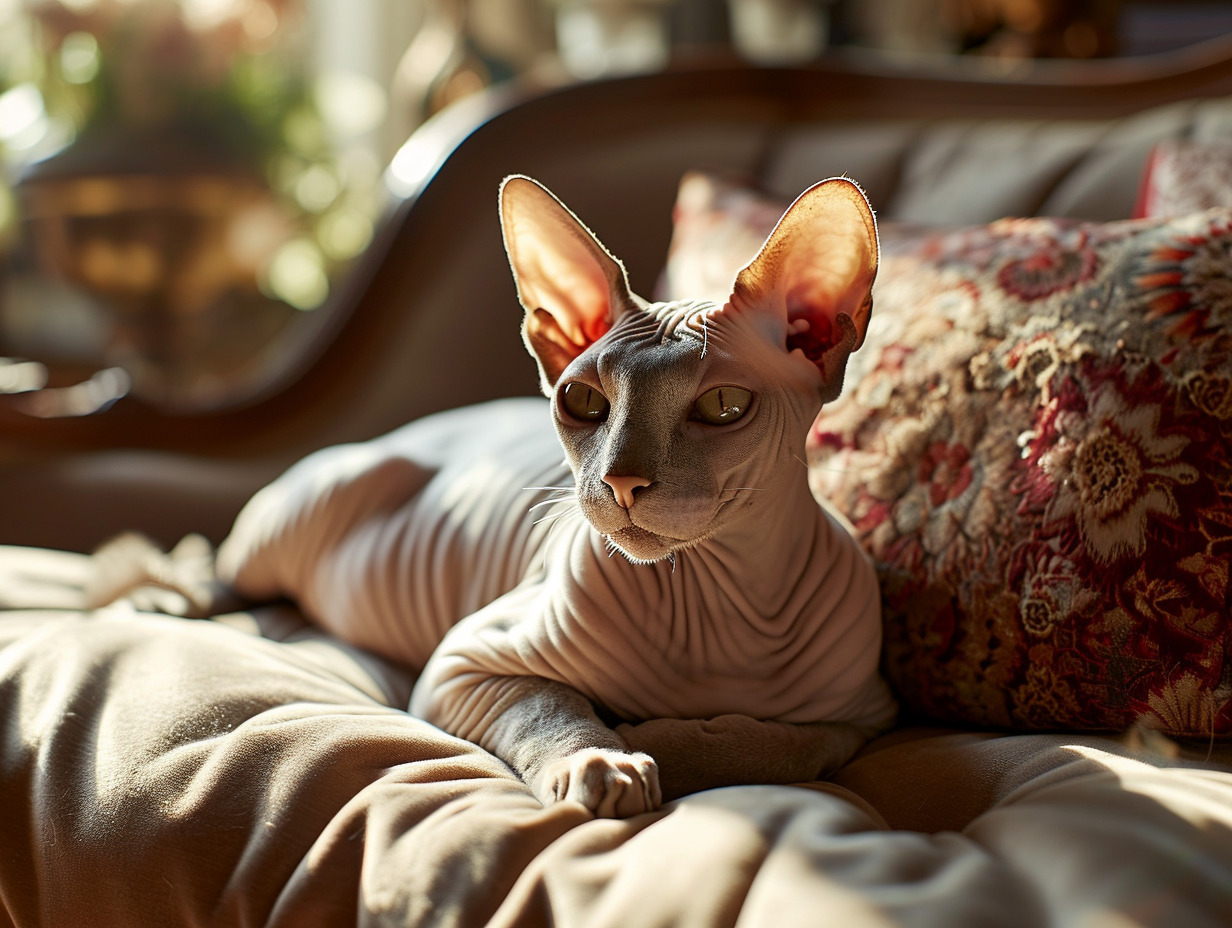
Detailed Guide to Rare and Unique Cat Breeds
The British Shorthair, emblem of feline breeds from Great Britain, displays physical characteristics that inspire admiration. With a medium to large size, males can weigh from 5 to 8 kilograms and females from 3 to 4 kilograms. Their massive and powerful body, short and thick tail, and apple-shaped head denote a certain robustness. The well-opened, round, and spaced eyes, along with the wide-based and rounded ears, give this breed a distinctive appearance. The coat, short and dense, offers a palette of seventeen shades, revealing a remarkable diversity of colors.
Beyond appearance, the behavior of the British Shorthair captivates. Its calm and peaceful nature makes it ideal for families, its enjoyment of play with children and ability to coexist with other animals highlighting its sociable temperament. Although endowed with a hunter’s nature, this cat remains very attached to its owner, manifesting a reassuring presence without ever being intrusive. Its rare intelligence sets it apart, allowing it to adapt quickly and interact with its environment.
In terms of maintenance, the British Shorthair proves to be low-maintenance. Its fur requires weekly brushing, sufficient to maintain its density and cleanliness. Shedding, occurring with seasonal changes, requires particular attention during these periods. These practical aspects make the British Shorthair not only unique in its attributes but also particularly suited to modern life, where the time devoted to pet care may be limited.