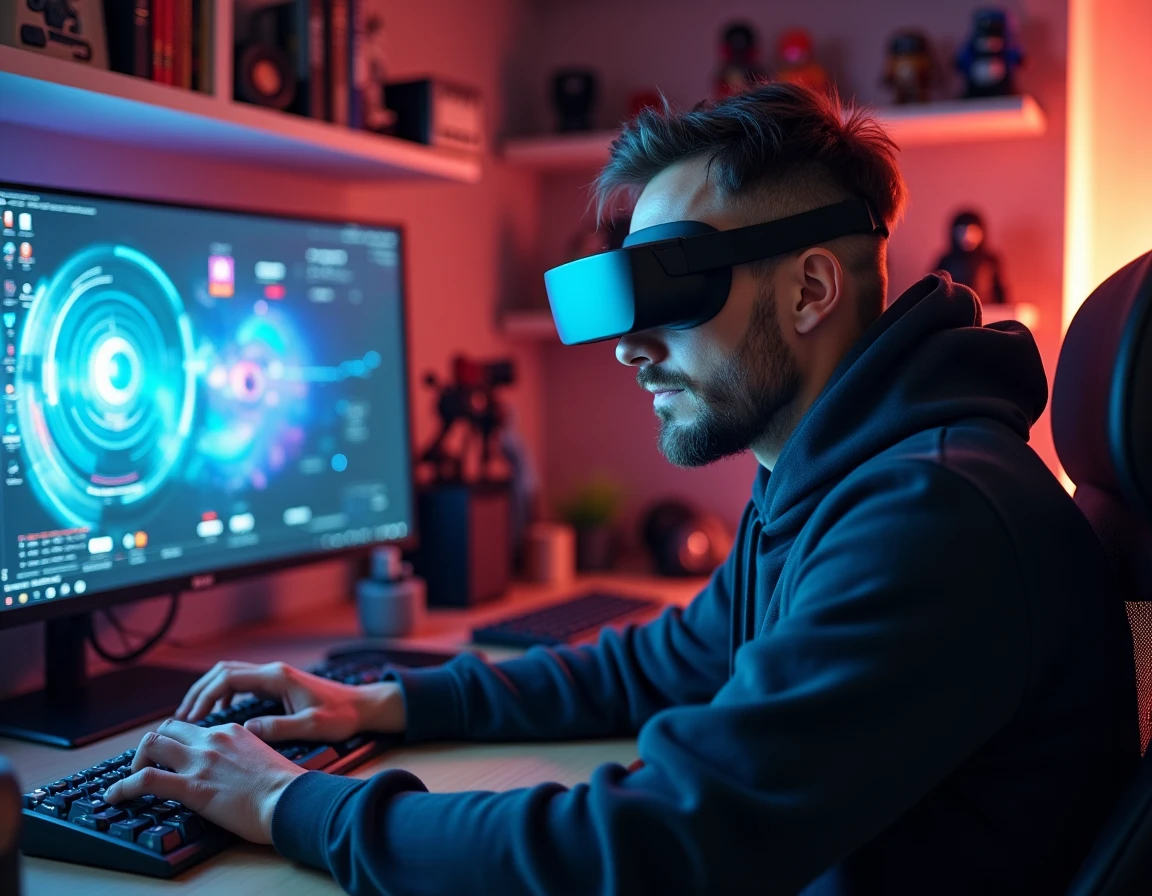
The first half of 2026 confirms a clear shift: open home automation protocols like Matter 1.2, barely stabilized, are under pressure from proprietary overlays pushed by major manufacturers. On the geek culture side, French conventions are specializing by niche and becoming full-fledged technology showcases. This year, we observe more revealing technical fault lines than mere product announcements.
Home Automation Protocols and Fragmentation of Connected Ecosystems
Matter 1.2 was supposed to unify the connected home. The reality on the ground in 2026 is more nuanced. Several major manufacturers are adding proprietary extensions on top of the standard, reintroducing silos where interoperability was promised.
The problem is tangible: a Matter-certified sensor can work with a competing hub, but advanced routines (contextual scenes, predictive triggers based on local AI) remain locked within the manufacturer’s app. Real interoperability is limited to basic commands, not complex automations.
For integrators and advanced users, the choice of hub becomes strategic. Apple is pushing its HomeOS as a centralized control layer, while Google is betting on Gemini Intelligence to manage Android devices and connected objects from a single AI agent. We recommend checking the compatibility of routines, not just that of devices, before any investment in an ecosystem. Regular updates published on geekdaily.net allow you to track these developments protocol by protocol.
Augmented Reality and Hybrid Gaming: Usages That Stick
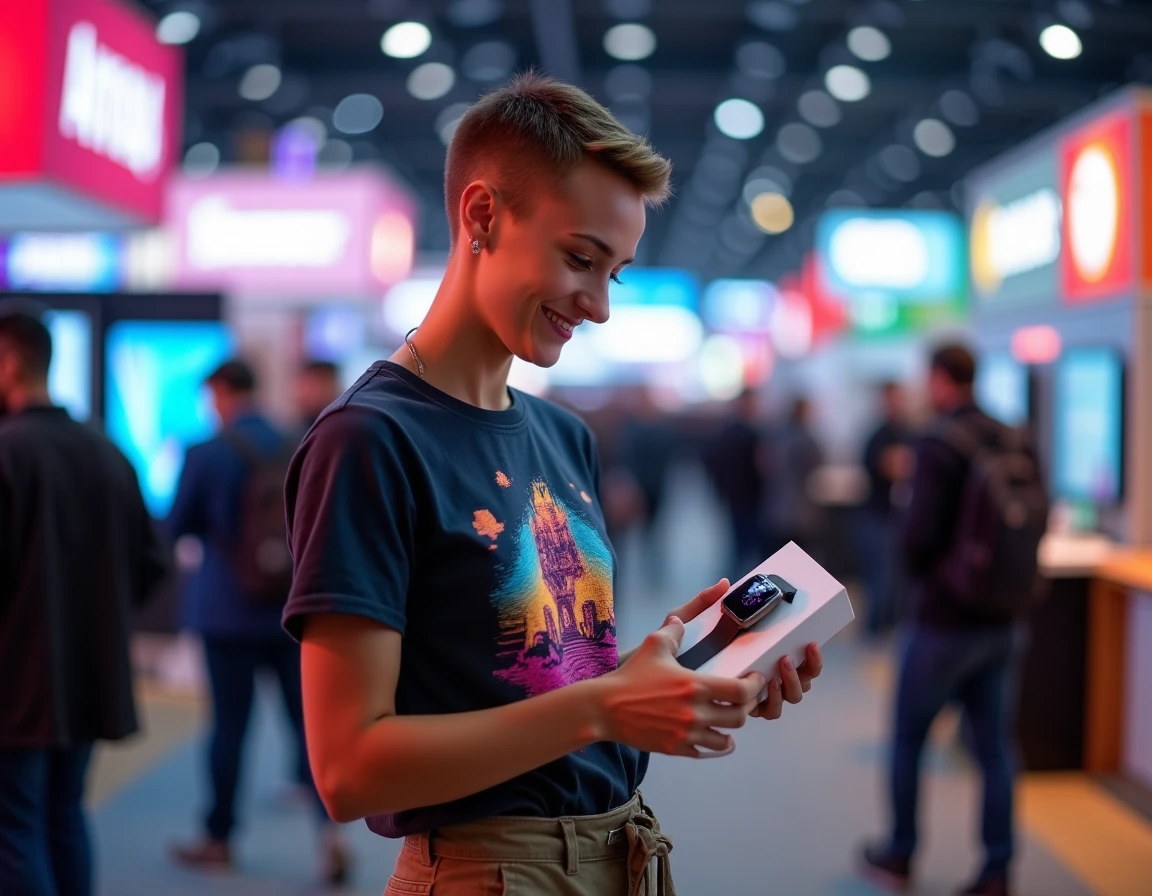
AR headsets are multiplying, but not all uses survive beyond the demonstration. In 2026, hybrid gaming that blends physical environments with virtual layers emerges as the most viable segment. Projections for the coming decade anticipate experiences where video games, escape rooms, and interactive narratives will use your room, street, or garden as a backdrop thanks to VR, AR, and contextual sensors.
This trend goes beyond gadgets. It relies on the simultaneous maturation of three technical pillars:
- LiDAR sensors embedded in high-end headsets and smartphones, capable of mapping a space in real-time with centimeter-level precision
- Spatial rendering engines (Unity MARS, Unreal) that overlay 3D elements anchored to the real geometry of the room, without visual detachment
- Local multiplayer synchronization protocols, allowing multiple players to share the same augmented scene in a common physical space
The result: gaming sessions where the home environment becomes the level. Independent studios are aggressively positioning themselves in this niche, often in direct partnership with headset manufacturers to optimize latency.
Geek Conventions in France: Specialization as a Business Model
The model of the generalist fair is declining. In 2026, French conventions are structuring around specific niches. The Bordeaux Geekfest illustrates this movement by focusing on fantasy: cosplay, dubbing, building blocks, lightsabers. Each festival becomes a thematic ecosystem with its dedicated sponsors and targeted technological demonstrations.
Specialized conventions attract a more engaged and spendthrift audience than catch-all fairs. Exhibitors present niche products (3D printers aimed at figurines, electronic kits for cosplay props, VR stations dedicated to fantasy or sci-fi universes) that struggle to find their place in a generalist fair.
Internationally, MomoCon in Atlanta gathers around 65,000 fans over nearly 93,000 m² of exhibition space, confirming that the specialized convention format also works on a very large scale. This type of event serves as a barometer for trends that will impact the European market six to twelve months later.
Pixel Art, Anime, and Connected Merchandise
Geek culture is no longer limited to screens. Merchandise now integrates connected components: figurines with NFC chips unlocking in-game content, programmable pixel art frames controlled by app, anime accessories with reactive LEDs. The physical object becomes an interface between the fan and their digital universe.
Anime and manga communities are fueling an increasing share of this economy. Platforms specializing in otaku products (figurines, clothing, accessories) are professionalizing their logistics and exclusives related to seasonal releases.
Embedded AI and Autonomous Agents on Smartphones
Google has launched Gemini Intelligence, an AI agent designed to directly control an Android smartphone. The difference from previous voice assistants is architectural: the agent does not just respond to requests, it executes sequences of actions across multiple applications.
Specifically, Gemini Intelligence can chain together product searches, price comparisons across multiple sites, and filling out an order form, all from a single instruction. The agent acts within applications like a human user, navigating interfaces rather than going through APIs.
This approach raises non-trivial security questions. An agent that clicks and types text in third-party applications can be hijacked by malicious content injected into a web page. Sandboxing mechanisms and user confirmation become critical points. We observe that early feedback shows real utility for repetitive tasks, but necessary caution for anything related to payments or sensitive data.
The year 2026 is distinguished less by spectacular products than by infrastructure mutations: fragmented protocols, autonomous AI agents, conventions reshaping the geek cultural landscape. The technical choices made now, from the home automation hub to the AR headset to the trust placed in a software agent, will structure usage for several years.