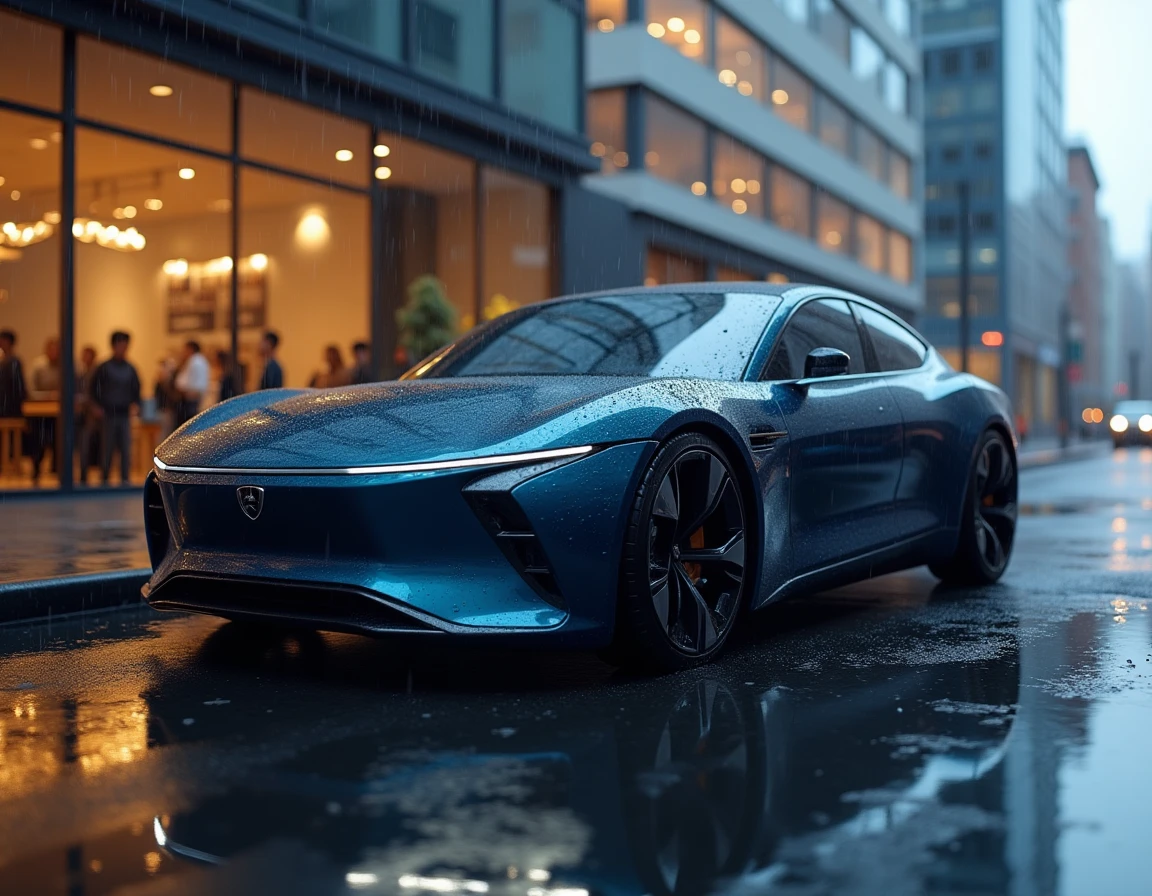
The French automotive market recorded 1,718,449 new car registrations in 2024, a decline of 3.2% compared to 2023. Compared to 2019, the drop reaches 22.4%. This decline, unprecedented since the 1970s, is explained by a combination of factors: high cost of electric vehicles, buyer hesitations regarding engine types, and a hybrid market that is reshuffling the cards.
Limited edition thermal models and regulatory exemptions in 2024
In response to the tightening of European CO₂ emission standards, several manufacturers have adopted a little-commented strategy. They are reintroducing thermal engine models in the form of limited editions, exploiting regulatory exemptions provided by European texts.
This mechanism allows niche brands or sports ranges to continue offering combustion vehicles while formally adhering to emission caps. Volumes remain low, but the signal is clear: thermal vehicles are not disappearing through natural extinction; they are repositioning in segments where unit margins offset potential penalties.
For those following industry news via the Scooporama website dedicated to auto, this type of maneuver illustrates a market in full reconfiguration, where regulation shapes both supply and demand.

Electric car sales: the threshold crossed in Western Europe
In Western Europe, sales of new electric cars have surpassed those of thermal models since the beginning of 2024. This shift, long anticipated, marks a real break in the market structure.
The available data does not allow for a conclusion of an irreversible movement. Several barriers persist and explain why this threshold crossing does not mechanically translate into a lasting dominance of electric vehicles:
- The purchase price of an electric vehicle remains about 40% higher than that of an equivalent thermal model, according to French market data
- The average real-world range caps around 300 km, limiting use on long trips without charging planning
- Charging time, even on fast chargers, remains a friction point for drivers accustomed to refueling in a few minutes
On the other hand, public charging infrastructure continues to densify, and tax incentives (ecological bonus, conversion premium) maintain favorable pressure for adoption.
Hybrid leads the French market: a reversal against gasoline
The standout fact of 2024 in France can be summed up in one line: hybrid cars have for the first time surpassed gasoline cars in sales volume. This shift reflects a pragmatic rather than ideological purchasing behavior.
Hybrids (mild, classic, or plug-in) offer a compromise that many drivers find more realistic than fully electric. No charging constraints, reduced consumption in the city, and a lower entry price than a 100% electric vehicle. Several plug-in hybrid users rarely charge their batteries, which negates part of the advertised environmental benefit.
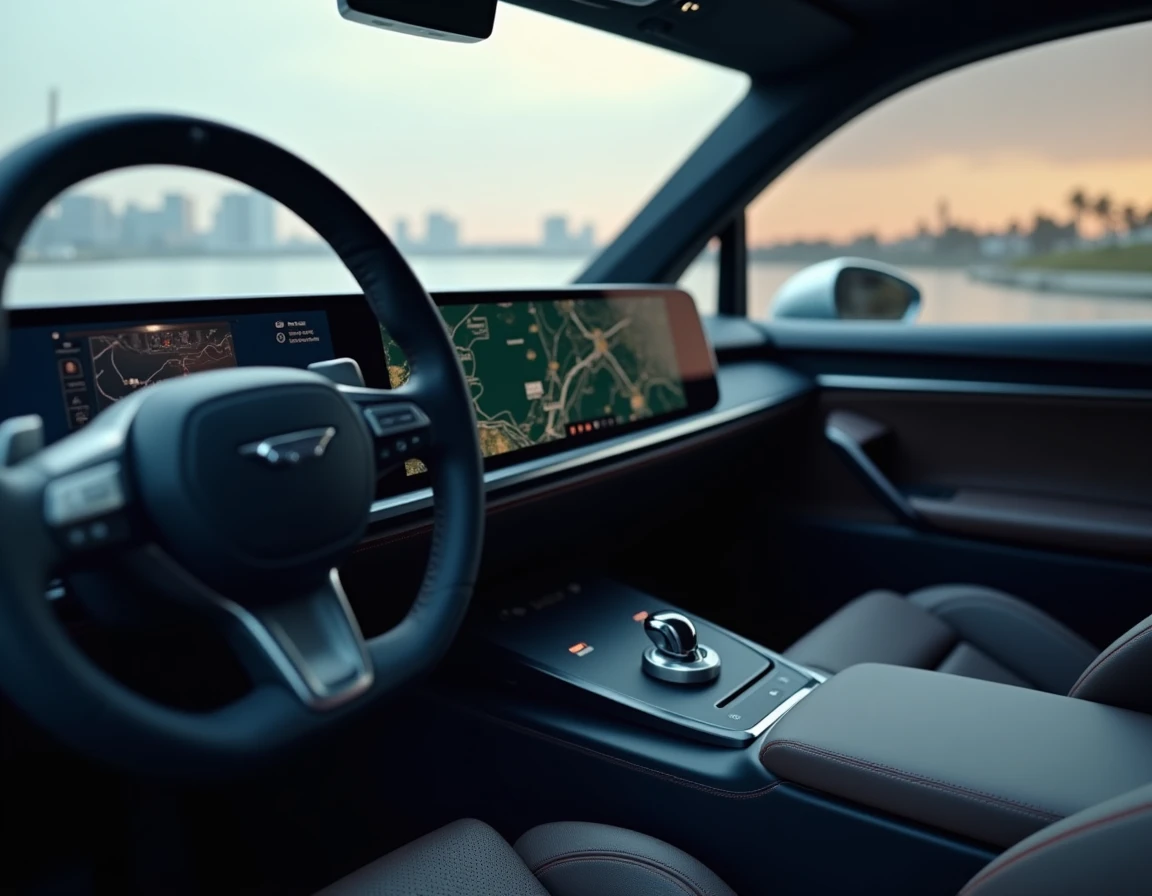
Renault remains the leader in the French market with 277,304 registrations and a 16% market share, despite a slight decline of 0.2% compared to 2023. The launch of the new electric R5 has generated strong media interest, but the actual volumes of this model remain to be confirmed over time.
Collectors and ZFE: a regulatory conflict is settling in
Low emission zones (ZFE), deployed in major French urban areas, are creating increasing tension with owners of vintage vehicles. Collectors and enthusiasts of classic cars are organizing into associations and federations to defend their right to drive.
The issue goes beyond automotive nostalgia. Vintage vehicles represent a mechanical heritage, a market for spare parts, and an ecosystem of artisans. Their gradual exclusion from city centers raises questions of proportionality: the collection fleet, very minor in volume, contributes marginally to overall urban emissions.
Several federations advocate for specific exemptions, similar to those that exist in other European countries. The outcome of this regulatory standoff remains uncertain, but it conditions the future of an entire segment of French automotive culture.
Brands and models to watch: Hyundai, Mercedes, Audi
The competitive landscape of 2024 shows contrasting trajectories among manufacturers. Hyundai continues its upward trend with electric models that directly compete with European benchmarks, both in battery range and standard equipment.
Mercedes is accelerating in the premium electric segment while maintaining a robust thermal and hybrid offering. The brand is playing on both fronts, aware that its clientele is not ready to uniformly switch to electric.
- Audi is repositioning its range around dedicated electric platforms, with a stated goal of gradually reducing thermal engines
- Hyundai is focusing on an aggressive price-equipment ratio to capture market share in Europe
- Mercedes maintains high prices but is investing heavily in ultra-fast charging and connected services
The automotive market of 2024 is not just a showdown between electric and thermal. Regulatory circumvention strategies, the rise of hybrids as the dominant engine type in France, and tensions around ZFE create a landscape that is much more fragmented than binary discourses suggest. Each criterion (budget, daily use, ZFE constraints, resale value) now weighs as much as the type of engine in the purchasing decision.