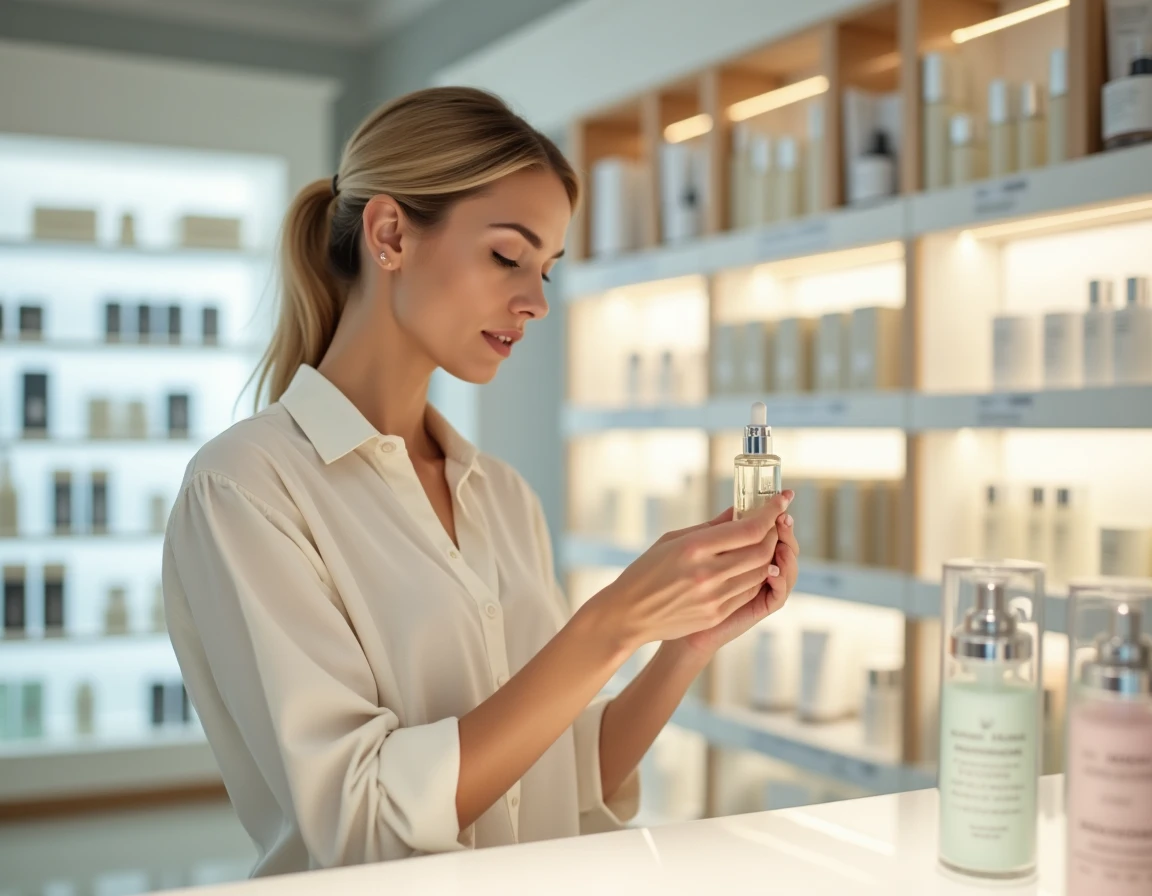
Buying a face care product or foundation should be simple. In reality, the abundance of brands, textures, and promises on labels turns even a quick trip to the perfume store into an obstacle course. Choosing the right beauty products relies on a few concrete reflexes that prevent unnecessary purchases and disappointments after two weeks.
Skin Diagnosis Before Buying Cosmetics
Have you ever bought a moisturizer that was praised everywhere, only to find it leaves a greasy film on your face by midday? The problem rarely lies with the product itself. It stems from a mismatch between the formula and your skin type.
Knowing your skin type (oily, dry, combination, sensitive) remains the first filtering criterion. In recent years, several major beauty retailers in France have implemented AI-assisted skin diagnostics, either in-store or through their mobile app. A facial scan analyzes the T-zone, hydration level, and sensitivity, then suggests a selection of suitable treatments.
This type of diagnosis does not replace a dermatological opinion for problematic skin. However, it avoids the classic mistake: choosing a rich anti-aging serum when your combination skin primarily needs light hydration. If you don’t have access to an in-store diagnosis, browsing products on Cosmétiques Beauté already allows you to filter treatments by skin needs.
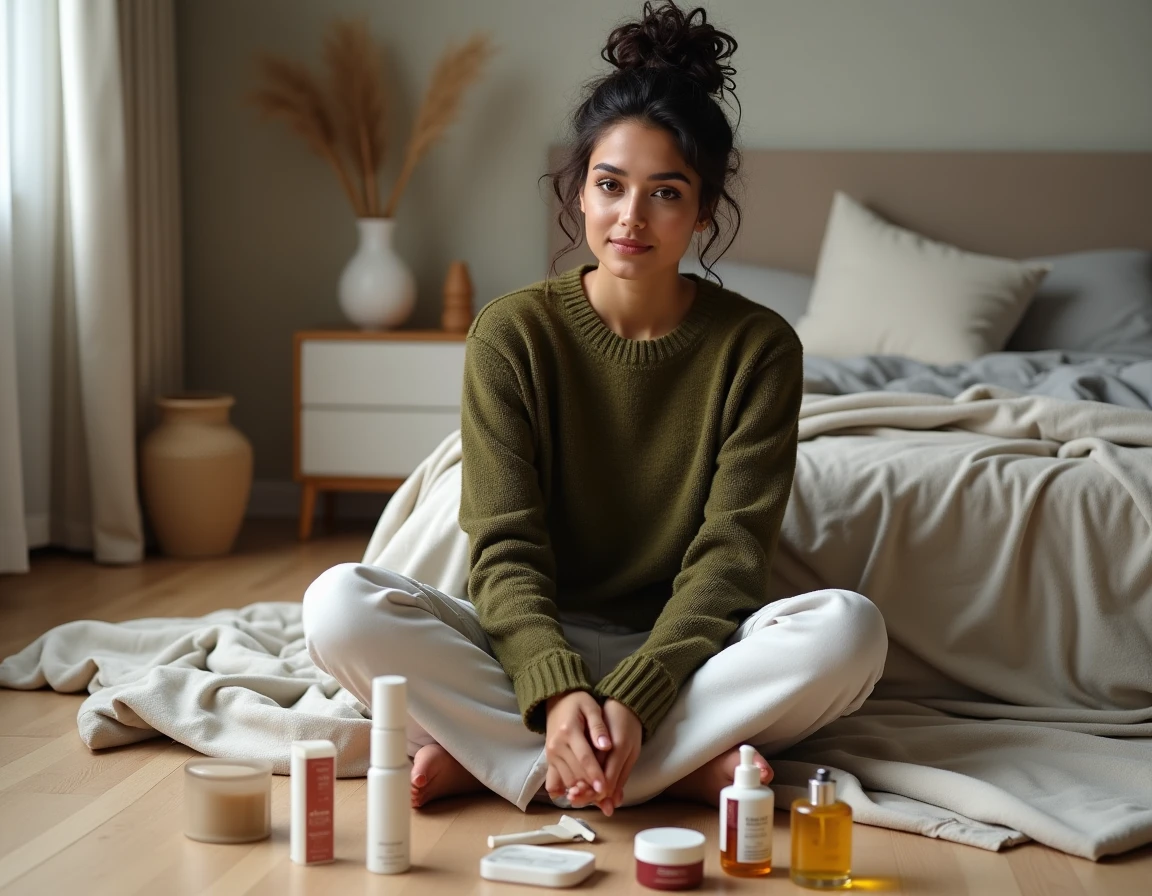
INCI List and Claims: Reading the Labels of Your Beauty Products
The INCI list is found on the back of every cosmetic packaging. INCI stands for International Nomenclature of Cosmetic Ingredients. Ingredients are listed in descending order of concentration: the first on the list is the most present in the formula.
Identifying Ingredients to Watch Out For
Here are some practical tips for reading an INCI list without a chemistry background:
- Ingredients ending in “-one” or “-ane” generally indicate silicones, which smooth the texture but can suffocate some sensitive skin types over time.
- “Aqua” in the first position indicates a water-based formula, often a sign of a lightweight texture.
- A short INCI list often translates to a more concentrated formula in active ingredients, except for sunscreens that require multiple UV filters.
- “Alcohol denat.” at the top of the list can dry out dry or reactive skin.
Applications like INCI Beauty or Yuka allow you to scan a barcode and get a quick breakdown. They remain first-tier tools, not absolute verdicts.
“Free From” Claims: What European Regulations Say
The claims “paraben-free,” “silicone-free,” or “sulfate-free” are governed by the EU Regulation 655/2013 on cosmetic claims. Brands must prove that these claims are neither misleading nor disparaging towards other ingredients. A “paraben-free” product is not automatically safer: it uses another preservative, which also deserves to be checked.
The regulation (EU) 2023/1545 has strengthened this framework. A “free from” claim does not guarantee a better product; it simply indicates the absence of a specific ingredient. Turning the bottle around and reading what replaces the absent ingredient remains the most reliable reflex.
Environmental Claims on Cosmetics: What’s Changing
Terms like “eco-friendly,” “carbon neutral,” or “ocean-friendly” are flourishing on packaging. Why be cautious? Because European regulations are tightening the rules significantly.
The Green Claims Directive, currently being adopted at the European level, will require brands to document and have each ecological promise verified by an independent organization. Vague formulations like “natural” or “green” without measurable proof will become prohibited.
While waiting for the full implementation of this text, two reflexes help in filtering:
- Look for a certified label (Ecocert, Cosmos Organic, Natrue) rather than a simple marketing claim on the packaging.
- Check if the brand publishes the detailed composition and origin of its ingredients on its website.
- Be wary of green or kraft packaging that evokes nature without any certification on the back.
A truly committed product displays its evidence. A product that relies solely on a “nature” visual focuses on appearance.

Skincare Routine: Buy Less to Choose Better
The reflex to accumulate products (serum, essence, ampoule, mist, cream, oil) gives the impression of a complete routine. In practice, layering too many formulas can irritate the skin and make it impossible to identify which product really works.
A well-chosen multifunctional treatment, such as a moisturizer with integrated sun protection, often replaces two or three bottles. Before adding a product to your cart, ask yourself a simple question: what specific problem does this product solve that my current routine does not cover?
If the answer remains vague, the product will likely end up at the back of a drawer. Testing only one new product at a time for two to three weeks allows you to assess its real effect on your skin, without interference.
Travel Sizes and Samples Before Purchase
Many brands offer discovery sizes or samples in-store. Asking for a sample before investing in a full bottle of expensive serum is not trivial. It avoids texture, scent, or skin tolerance errors that even the best product description cannot predict.
The choice of beauty products becomes more relevant when it is based on knowledge of your skin, careful reading of labels, and a reasonable dose of skepticism towards marketing promises. One less bottle in the bathroom, but suited to your real needs, is always better than a shelf overflowing with products abandoned after a week.