Taking care of your health every day doesn’t necessarily require a gym membership or hours of meditation. A few practical adjustments are enough, as long as they fit your real life. The problem is that most health advice assumes you have a spacious home, a flexible schedule and easy access to a doctor—conditions that are far from universal.
Natural health when living conditions make everything harder
Have you noticed that wellness advice is often aimed at people with comfortable living conditions? Getting better sleep assumes you have a quiet bedroom. Moving more assumes you have free time. Seeing a doctor assumes you can get an appointment easily.
For people living in cramped homes, working irregular hours or living in areas with limited access to healthcare, this advice falls flat. Well-being doesn’t depend solely on personal routines. Recent analyses remind us that living conditions, violence and discrimination have a direct impact on mental and physical health.
Adapting preventive habits to your actual circumstances is the place to start. Not an ideal program, but adjustments that take into account what you can realistically do. Online resources such as santeboost.fr offer ideas suited to different lifestyles.
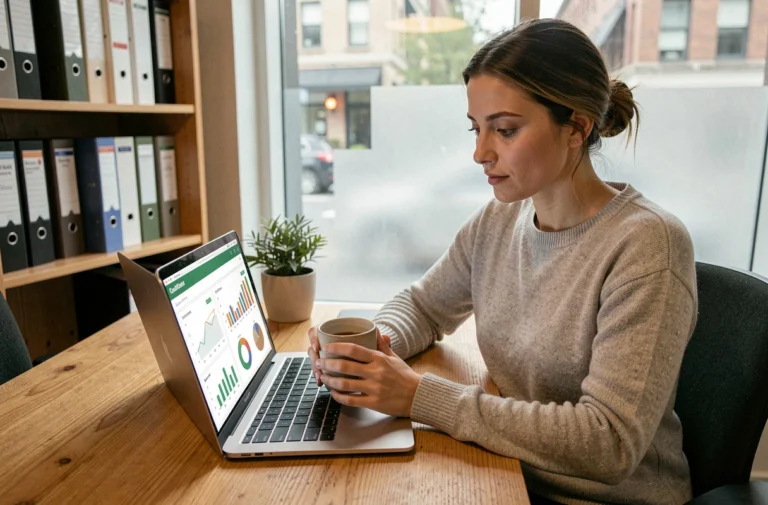
Sedentary work: move more without a workout plan
Physical activity and sedentary behavior are two separate issues. Santé publique France makes this clear: even if you exercise on weekends, sitting for several hours at a time during the week is still a problem for your body.
Standing up and moving for a few minutes after sitting for a prolonged period is a health habit in its own right. No equipment or special clothing needed.

Here are some practical ideas for when your options are limited:
- Set a discreet reminder on your phone every 45 minutes to get up, even for just 2 minutes—to fill a glass of water or walk a few steps down the hall
- Take the stairs for one floor, even when the elevator is available—it’s a brief effort that works your legs without taking extra time
- Stand up or walk slowly while on the phone instead of staying in your chair
These small movements don’t replace exercise, but they reduce the negative effects of sitting for long periods. For someone who works at a desk or checkout counter, they’re a realistic way to make a difference.
Indoor air quality: an often-overlooked health habit
We rarely think about the air we breathe at home. The Île-de-France Regional Health Agency recommends opening windows wide every day and making sure your home is properly ventilated. Tobacco smoke, mold and household cleaning products can worsen indoor air quality without you realizing it.
In a small, poorly ventilated apartment, pollutants build up quickly. Air freshener sprays, scented candles and some cleaning products release compounds that irritate the respiratory tract.
Air out your home even in winter, even in the city
In winter, you can air out your home in the morning as you leave the bedroom. In the city, opening windows early in the morning or late in the evening can limit the amount of traffic-related pollution that gets inside.
Checking that ventilation grilles aren’t blocked by dust or furniture is also part of basic home maintenance. A well-ventilated home reduces the risk of allergies and respiratory problems without costing a thing.
Supplements and herbs: natural doesn’t mean risk-free
Wanting to take care of yourself naturally leads many people to try dietary supplements, herbal teas or oils. The word “natural” on a label may be reassuring, but it doesn’t guarantee that a product is safe.
Herbs and supplements can cause side effects or interact with medications.
Before adding a supplement to your routine, especially if you’re taking medication, it’s best to ask a pharmacist or doctor. Marketing claims are no substitute for personalized advice.
Everyday mental health: more than individual tips
Any discussion of everyday health would be incomplete without mentioning mental health. Chronic fatigue, persistent anxiety, feeling overwhelmed—these signs deserve just as much attention as back pain or a lingering cold.
A few practical guidelines can help you maintain balance:
- Recognize your own warning signs (unusual irritability, ongoing sleep problems, losing interest in activities you used to enjoy) so you can act before you burn out
- Accept that some days, doing the bare minimum is enough—taking care of yourself includes giving yourself permission to slow down
- If you’re struggling for a prolonged period, contacting a mental health professional is still the most helpful step, even if wait times are long in some areas
Reducing mental health prevention to personal routines (journaling, gratitude, breathing exercises) has its limits. These practices can help, but they can’t make up for difficult living conditions, insecure employment or unwanted isolation.
Everyday health is built with what you have, not what you think you should have. Every small habit adapted to your real circumstances matters more than a perfect program you give up after three days. Airing out your home, getting up from your chair, checking a label before taking a supplement: these are simple, free steps that most people can take.