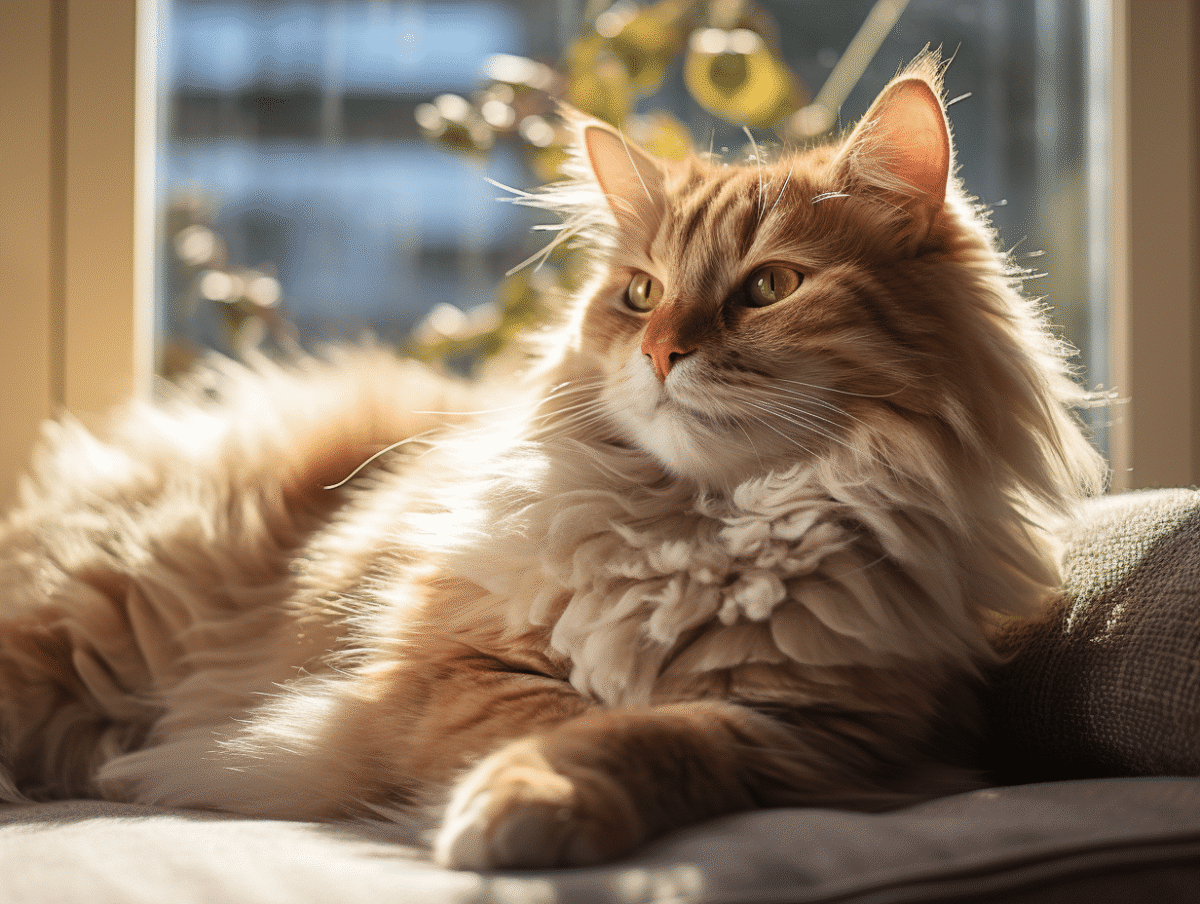
The meowing of your cat after a visit to its litter box can be perceived as a curious behavior. These vocalizations after doing its business are not uncommon and can be explained by several hypotheses. Some experts suggest that it could be a way for the feline to claim its territory or alert its owners about the cleanliness of its space. Others believe it may be related to discomfort or a health issue. It is essential for owners to observe their pets and understand the nuances of their communication to maintain their well-being.
The motivations behind your cat’s meowing after using the litter box
Understanding the reasons why your cat meows after using its litter box is a process that requires observation and knowledge of feline behaviors. These meows can be a request for attention from your pet, who may be hoping for a reward or simply signaling that the session is over. Some cats express a sense of relief this way or invite their owner to inspect their work, as if to indicate that the litter needs to be cleaned. These signals, often ignored, are key to deciphering the well-being of our companions.
The cleanliness of the litter box also plays a fundamental role in this behavior. A cat may refuse to do its business in an environment that does not meet its cleanliness standards, which can lead it to vocalize its dissatisfaction. A change in scent or texture of the litter can also result in meowing. It then expresses its discomfort or disagreement with this unsolicited novelty.
Beyond requests for attention or cleanliness complaints, post-litter meowing can also be an indicator of health problems. Urinary infections, intestinal blockages, or joint issues can cause a cat to communicate its pain or discomfort. Purring, often interpreted as a sign of contentment, can, in this context, reveal distress. Be sure not to overlook these signals and consider a veterinary consultation to rule out any pathology.
The relationship between the cat and its owner is also highlighted through these interactions. By meowing, the cat may be trying to inform or express a specific need. The cat owner, by responding to these calls, strengthens the bond with their pet and contributes to a harmonious home environment. Take care to observe and respond to your cat’s various signals, as it is in this non-verbal dialogue that mutual understanding and balanced cohabitation are built.
How to react to your cat’s meowing after using the litter box
In response to your cat’s meowing after its visit to the litter box, the role of the cat owner is crucial. A first response is to regularly clean the litter box to maintain a clean and welcoming environment that meets the feline’s hygiene requirements. If the vocalizations persist despite cleanliness, consider exploring other causes such as a change in scent or texture of the litter that might be disturbing it. An adjustment may be necessary to restore the animal’s serenity.
Careful observation of the cat’s behaviors is also a wise reaction. The meowing can manifest various needs or emotional states, from a request for attention to the expression of discomfort. Rewarding the cat after correctly using its litter box can reinforce positive behavior, but be cautious not to create dependency or an expectation of rewards that could lead to behavioral problems.
When the cat’s behavior seems to indicate persistent discomfort or pain, consulting a veterinarian becomes essential. This feline health professional will be able to diagnose and treat potential urinary infections or intestinal blockages. Make it a habit to seek medical advice if the meowing after using the litter box is accompanied by other concerning symptoms, as your companion’s health may be at stake.